




















Ghana has deported 4,201 migrant beggars and other illegal immigrants since 2025 as the government steps up efforts to tackle irregular migration, transnational organised crime and related unlawful activities.
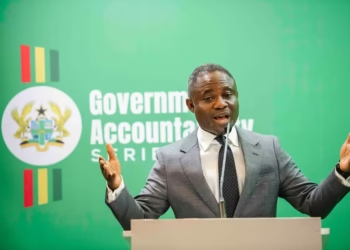
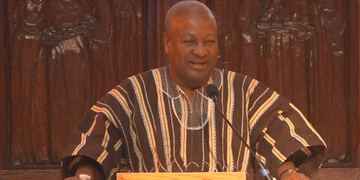
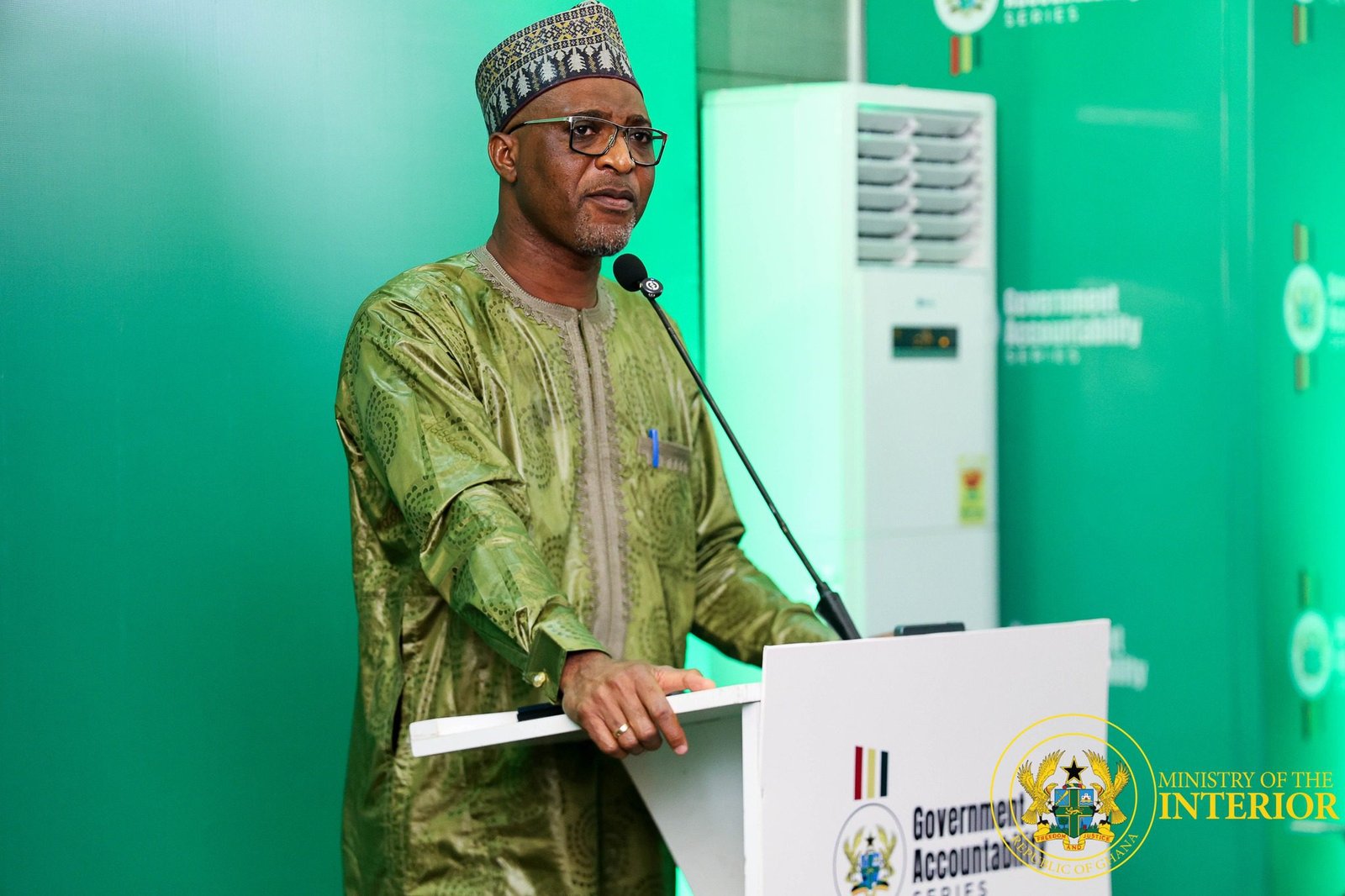
Interior Minister Muntaka Mohammed-Mubarak disclosed the figure during the government’s Accountability Series, where he addressed concerns over the increasing presence of beggars, particularly migrant beggars, on the streets of Ghana.
Ghana deported 3,055 migrants in 2025
According to Muntaka, 2,281 migrant beggars and 774 other illegal immigrants involved in transnational organised crime were deported from Ghana by the end of 2025.
The enforcement exercise has continued in 2026, with another 960 migrant beggars and 186 other illegal immigrants deported by July.
The figures bring the total number of migrant beggars and other illegal immigrants deported from Ghana since 2025 to 4,201.
Government to strengthen border enforcement
The Interior Minister said the government recognises Ghana’s position as a peaceful and stable country in the West African subregion, which has made the country a destination for people seeking refuge from economic and security challenges elsewhere.
“Ghana occupies a unique position in our subregion. We are an oasis of peace and stability in a region that has, in recent years, faced significant security and economic challenges.”
He said Ghana must, however, balance its tradition of hospitality with its responsibility to protect the country’s borders and maintain national security and public order.
“We also have a duty to protect our borders, maintain public order and safeguard our national security and economic interests.”
Muntaka: Deportations will respect ECOWAS protocols Muntaka said the deportation of migrant beggars and other illegal immigrants is being carried out with consideration for Ghana’s obligations under the ECOWAS Protocol on Free Movement of Persons, as well as the country’s diplomatic relations with other nations.
He stressed that the government’s objective is to reduce irregular migration and unlawful activities while ensuring that enforcement measures are lawful and respect human dignity.
“Our objective is to reduce irregular migration and unlawful activities associated with it to the barest minimum, while ensuring that enforcement action is lawful, undertaken by the appropriate authorities, and carried out in a manner that is respectful of human dignity.”
Government plans to scale up deportations
The Interior Minister said the government intends to increase the scale of the exercise, noting that the major challenge is the size of the problem rather than a lack of political will or security intelligence.
“Let me be clear: the challenge before us is not a lack of political will, security intelligence, or leadership. It is, principally, a question of scale.”
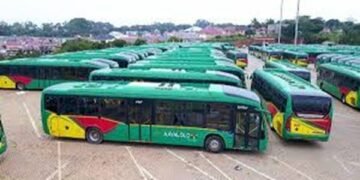
He added that logistical support has been earmarked to strengthen border controls and increase the scale of deportations.
“I can assure the public that there is a high level consensus, with earmarked logistical support to increase the scale of the removals and strengthen our borders. Evidence of that will soon be apparent.”
Mr Muntaka reaffirmed the government’s commitment to preserving Ghana’s reputation for hospitality while enforcing the country’s laws.
“We will continue to protect Ghana’s tradition of hospitality, but we will do so alongside a firm commitment to the rule of law, national security and public order.”