























The Ghana Free Zones Authority (GFZA) is pushing for stronger competitiveness in Ghana’s agribusiness sector, with its Deputy CEO (Operations), Lateef Apau Wiredu, calling for urgent solutions to the raw material constraints facing free zone agro-processing companies.
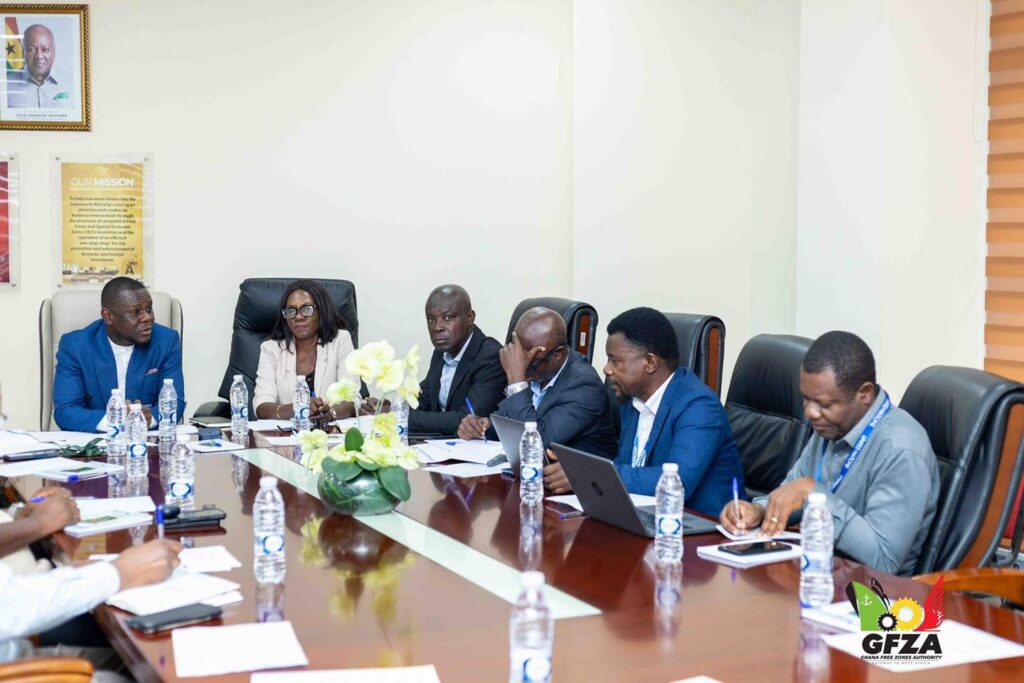
He made the appeal during a multi-stakeholder meeting convened by the Authority on November 27, 2025, in Accra.
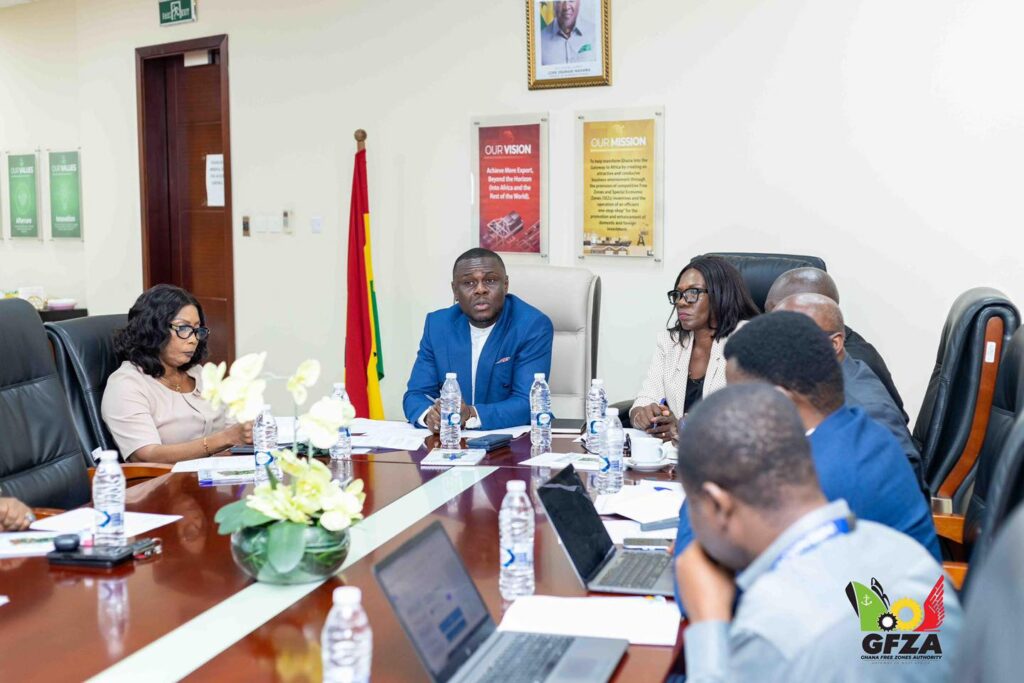
The session brought together key actors in the agribusiness ecosystem, including the Ministry of Food and Agriculture (MOFA), the Ministry of Trade, Agribusiness and Industry (MOTAI), UNIDO, GIZ, and the Agribusiness Chamber of Ghana.
Director of BDR, AfCFTA, Strategic Partnerships & Agribusiness at the GFZA, Edward Adu-Ntiamoah, explained that the engagement was aimed at aligning the Authority’s agribusiness interventions with national development priorities.
Delivering the keynote address, Dr. Amy Eshun of the Presidential Initiative on Agriculture and Agribusiness urged a stronger focus on technology adoption, increased participation of women and youth, and innovative approaches that can unlock sector-wide growth.
GFZA’s Senior Manager for Agribusiness, Dr. Abdul Wahab Alhassan, outlined the Authority’s priority subsectors and highlighted gains made by free zone companies along the agribusiness value chain. Partner institutions—UNIDO, GIZ, MOFA, MOTAI, and the Agribusiness Chamber—also shared their roles in supporting agribusiness advancement.

Discussions across the meeting pointed to key areas Ghana must strengthen to boost export competitiveness, including improved institutional collaboration, data-driven policy formulation, stronger infrastructure, national standards enforcement, expanded use of technology, and the development of agro-industrial parks within special economic zones.
Stakeholders also proposed creating an Agribusiness Investment Compendium and a one-stop service platform to guide investors.
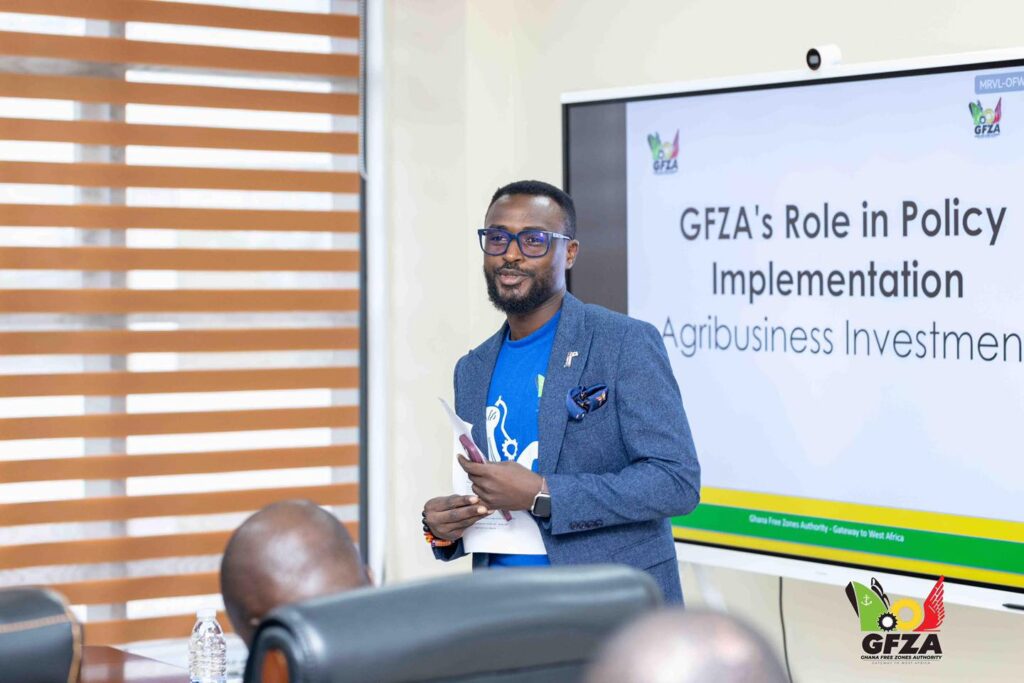
Participating institutions pledged various forms of technical support, ranging from research and advisory services to access to German machinery. MOTAI further disclosed that work is progressing on the National Agribusiness Policy, which will serve as the country’s comprehensive framework for agribusiness growth.
Closing the session, the GFZA’s Director of Corporate Affairs, PR & Aftercare, Dr. Patience Agbleze Acorlor, outlined the next steps: the formation of a Joint Technical Working Group, quarterly review meetings, and ensuring full alignment between GFZA’s agribusiness initiatives and national strategy.
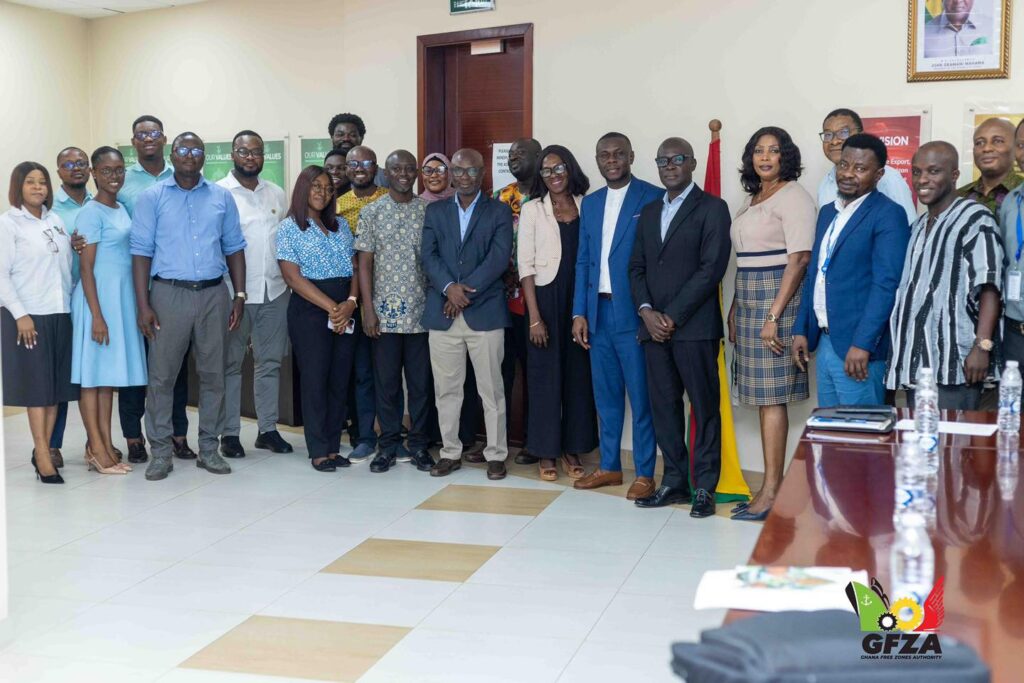
The meeting ended with a renewed commitment from all partners to strengthen value addition, enhance export capacity, and drive Ghana’s agribusiness sector toward greater global competitiveness.