
















Mahama Ayariga has urged Ghana to study how other countries distribute executive authority before introducing reforms to elect District Chief Executives (DCEs).
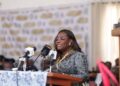
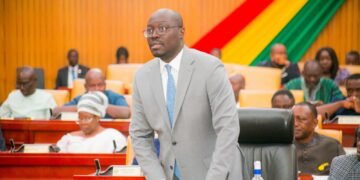
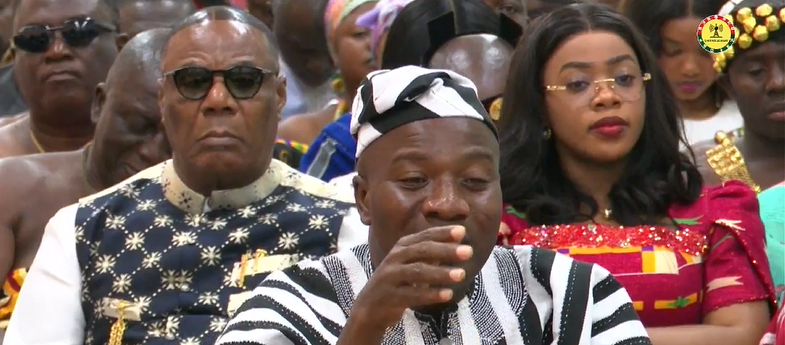
Speaking during his vetting before Parliament’s Appointments Committee on Thursday, August 27, 2026, Mr Mahama Ayariga said Ghana’s decentralisation debate should go beyond simply deciding whether DCEs should be elected.
He said the key issue is how executive powers would be shared between the national and local levels to prevent institutional clashes.
“Most people don’t understand the architectures of other jurisdictions,” he said.
Mr Mahama Ayariga cited the United States as an example of a system where executive powers are clearly divided between the federal government and state authorities.
He explained that the federal government is responsible for specific areas, while other powers are left to the states.
“The federal government is in charge of defense. The federal government is in charge of foreign policy, international relations. The federal government is in charge of interstate commerce.”
According to him, clearly defining these responsibilities allows elected state governors to exercise their authority without interfering with the federal government.
“So, you have defined specific areas of executive power that is reserved to the federal government. Every other power is left to the state.”
Mr Ayariga said Ghana could adopt a similar approach by clearly defining the powers of the President and elected DCEs to ensure both levels of government operate within their respective areas of authority.
He also pointed to the US security sector as an example of how clearly defined jurisdictions can prevent conflicts between different levels of government.
“So, even in terms of security sector, spheres are defined.”
The Minister-designate further referred to the United Kingdom, where he said local authorities play an important role in governance.
“The real governance structures there are the local authorities.”
Mr Mahama Ayariga said Ghana should therefore avoid simply copying governance structures from other countries without considering how their respective powers are organised.
Instead, he advocated for a system in which the responsibilities of central and local governments are clearly defined.
“If we actually, as a country, try to rather define the spheres of executive power and assign what executive power we think should be performed by local government, therefore, we’re electing a DCE and he has that executive power irrespective of who is president and what executive power is for a president.”