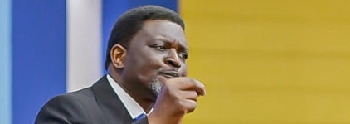










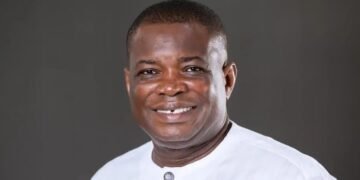
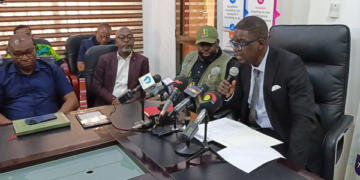


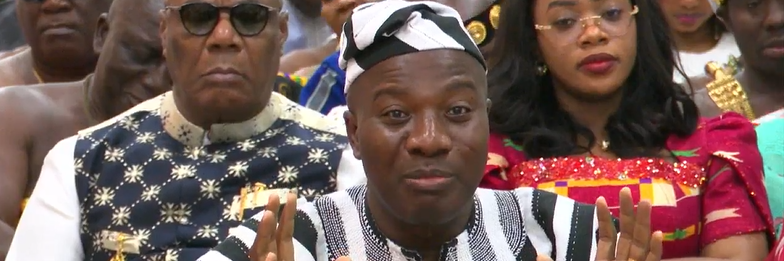
Former Majority Leader and Minister-designate for Local Government, Chieftaincy and Religious Affairs, Mahama Ayariga, has raised concerns about potential clashes between elected District Chief Executives (DCEs) and the President if their respective executive powers are not clearly defined.
Speaking during his vetting before Parliament’s Appointments Committee on Thursday, August 27, 2026, Mr Ayariga said Ghana must resolve fundamental constitutional and structural questions before introducing a system in which DCEs are elected.
His concern centres on the possibility of having two individuals exercising executive authority over the same geographical area; one elected nationally as President and another elected locally as DCE.
“When you elect a DCE of a given geographical space, you would have executive powers, and then you now elect assembly members who will have legislative powers,” he said.
He contrasted this with the national arrangement, where the President exercises executive authority while Members of Parliament exercise legislative functions.
“So, some of the concerns expressed by those who are designing the architecture is, if you elect a president, and then the president doesn’t have control over who is also exercising executive powers in a given location, are you likely to be triggering a conflict between the person elected by the whole country to exercise executive authority and the person elected in a district to also exercise executive authority?” Mr Ayariga asked.
He said the question of who should ultimately be held responsible could become a major challenge if the two levels of authority are not properly separated.
“Who becomes accountable? That is a structural issue.”
According to him, Ghana can avoid such a situation by clearly defining the areas of executive authority that belong to central government and those that should be exercised by local government.
Mr Ayariga argued that once the spheres are clearly established, an elected DCE would be able to exercise authority within the local government space without interfering with the President’s mandate.
“And so, when we vote him, he doesn’t interfere in the area of executive power. And then the citizens know who to hold accountable for what.”