










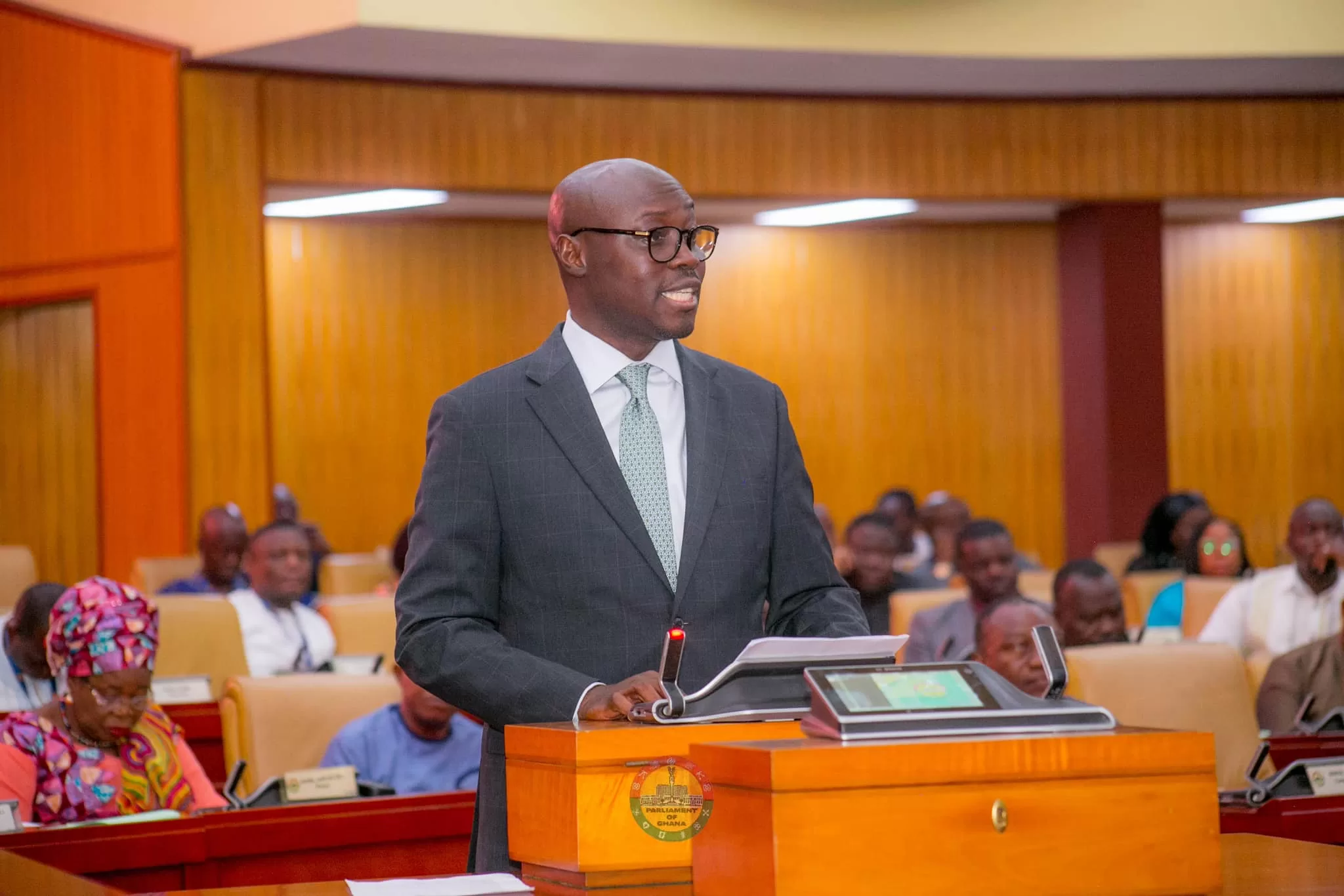
Finance Minister Dr. Cassiel Ato Forson is set to present the 2026 Budget Statement and Economic Policy to Parliament on Wednesday, November 13, pending formal parliamentary approval.
This presentation will mark the Mahama administration’s first full-year budget since returning to office in 2025 and is expected to outline the government’s own economic priorities after nearly nine months of navigating a challenging domestic and global economic landscape.
While the 2025 Budget largely operated within the fiscal framework left by the previous government, the 2026 document is anticipated to reflect a significant policy shift, signalling the administration’s development agenda and strategic approach to growth.
Under the Public Financial Management Act, the Finance Minister, acting on behalf of the President, is required to submit the budget to Parliament no later than November 15 each year.
Ahead of the presentation, the Finance Ministry has conducted extensive consultations with industry stakeholders, civil society groups, and development partners to finalise expenditure priorities and policy measures.
These engagements have shaped a budget framework designed to stimulate economic growth and job creation, with a focus on sectors capable of driving innovation and productivity, particularly for youth employment.
Insiders indicate that the 2026 Budget will also introduce a comprehensive tax reform agenda aimed at broadening the revenue base while easing the tax burden on households and businesses.
The Commissioner-General of the Ghana Revenue Authority, Anthony Sarpong, has revealed that the Value Added Tax (VAT) rate may be reduced from 22% to 20% as part of efforts to simplify the tax system and improve its business-friendliness.
Other levies, including the COVID-19 levy, are expected to be reviewed to support recovery and boost consumer confidence.
With Ghana scheduled to exit the IMF programme in May 2026, the upcoming budget will be closely scrutinised for its post-programme strategy.
Observers will watch for indications of how the government intends to maintain macroeconomic stability while consolidating fiscal discipline, managing the fiscal deficit, and funding key infrastructure and social initiatives.
The 2026 Budget is poised to be a defining policy document for the Mahama administration, offering clarity on how it plans to navigate the post-IMF economic landscape, stimulate growth, and strengthen the foundations of Ghana’s fiscal and development priorities.