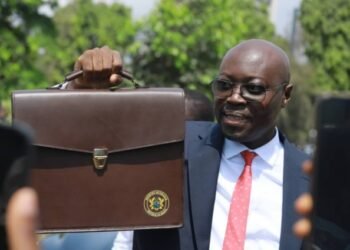





















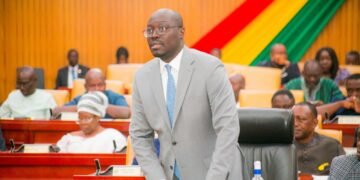


Finance Minister Dr. Cassiel Ato Forson says the government’s next economic policy agenda will focus on translating Ghana’s economic recovery into tangible benefits for households and businesses, particularly through job creation, improved incomes and support for local enterprises.
He says the gains made in restoring the economy must create opportunities for young people, improve the livelihoods of farmers and enable Ghanaian businesses to expand and employ more workers.
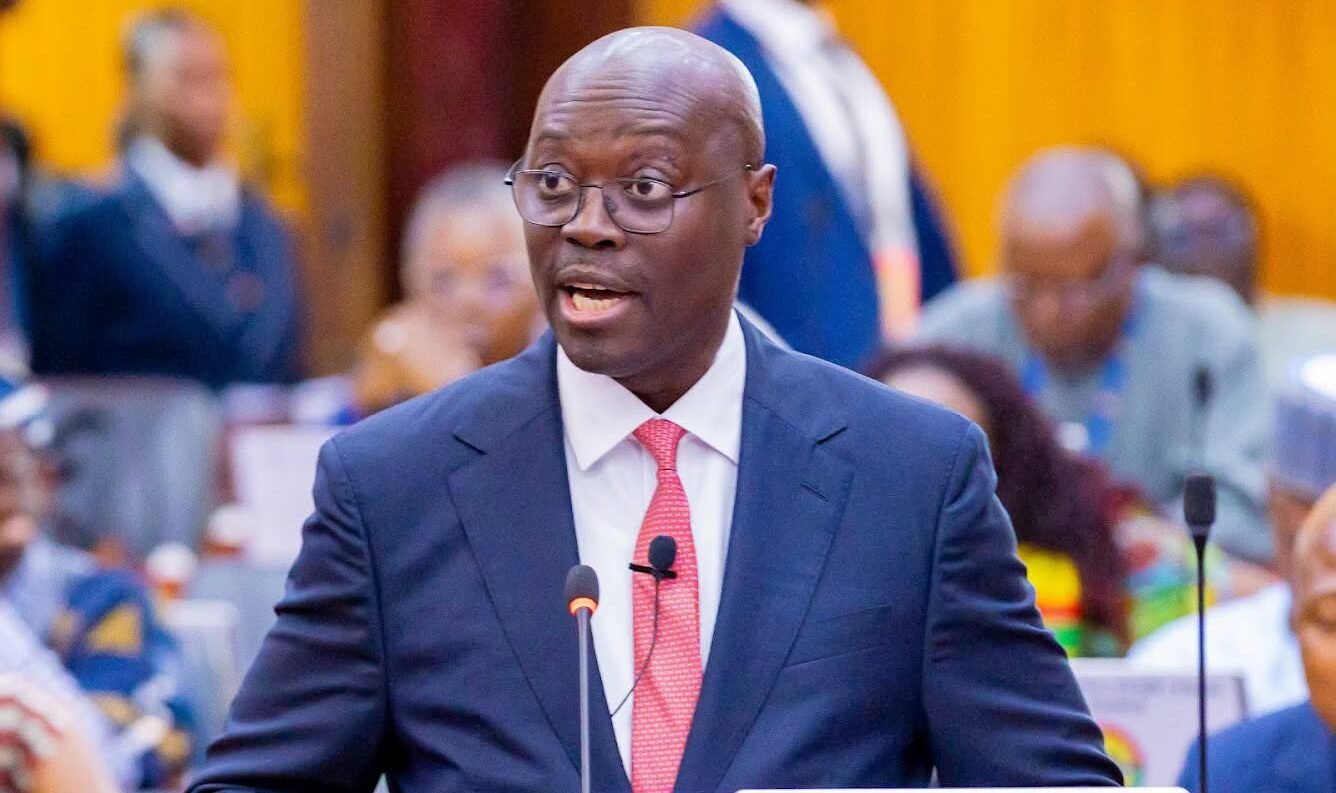
Dr. Forson made the remarks in a post on X ahead of the presentation of the 2027 Budget Statement and Economic Policy to Parliament on Thursday, November 12.
“Ghanaians made sacrifices to get our economy back on its feet. Now, that recovery must mean decent jobs for our young people, better incomes for our farmers and room for Ghanaian businesses to grow and hire,” he wrote.
“Next week, I will show how the New Economy will turn the gains we have made together into jobs and prosperity for all,” he added.
The Finance Minister’s comments place employment, agricultural incomes and private-sector expansion at the centre of expectations for the upcoming budget, which is expected to outline the next phase of the government’s economic agenda.
A major feature of the agenda is the government’s proposed US$10 billion New Economy programme, a four-year investment plan covering 2027 to 2030. The programme is intended to expand domestic production, increase local processing of raw materials and strengthen the capacity of Ghanaian businesses to compete in domestic and international markets.
The November 12 presentation is expected to provide details of how the programme will be implemented, including the investments and policy measures government intends to prioritise to support production, create employment and stimulate business growth.
The budget will also come after Ghana completes the final review of its IMF-supported programme in July 2026. The government has increasingly signalled a shift from economic stabilisation towards productivity, investment and job creation.
However, the extent to which the proposed interventions will translate into decent employment, improved farm incomes and opportunities for local businesses will depend on the specific measures, funding arrangements and implementation plans set out in the budget.