



















Medical specialists in the Upper East Region have commended the Ghana Medical Trust Fund (GMTF) for easing the financial burden of specialised treatment on patients with cancer and other chronic diseases, while calling for the prompt delivery of critical diagnostic equipment to improve healthcare outcomes.
The specialists said the Fund had provided much-needed relief to patients and their families who might otherwise struggle to afford treatment.
However, they stressed that financial assistance must be matched with adequate medical equipment to support early diagnosis and effective care.
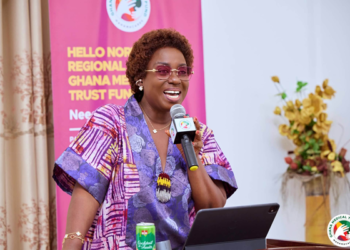
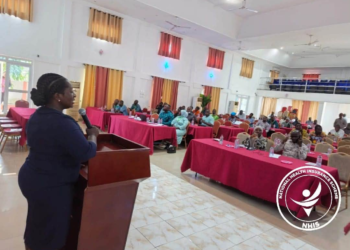
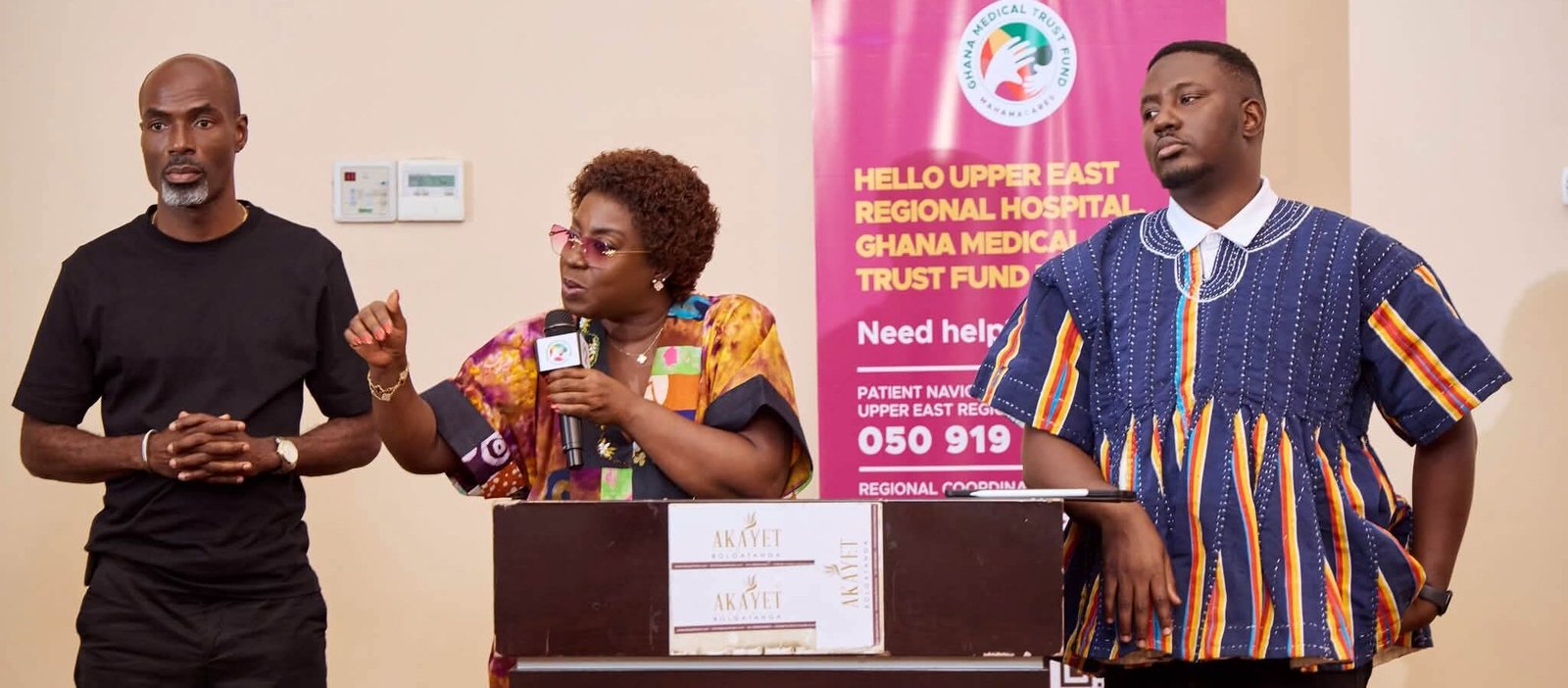
The concerns were raised during an engagement between GMTF management, led by its Administrator, Adjoa Obuobia Darko-Opoku, and medical specialists in the region.
The meeting formed part of the Fund’s nationwide consultations to identify gaps in specialised healthcare delivery and strengthen collaboration with frontline professionals.
The Medical Director of the Upper East Regional Hospital, Dr Joseph Kojo Tambil, described the Fund’s contribution to healthcare delivery as remarkable, attributing its progress to hard work and commitment.
He said the hospital had already benefited from the Fund’s support for several patients, providing relief to individuals and families facing substantial treatment costs.
Dr Tambil expressed appreciation for the intervention and said its continued expansion could enable more people with chronic conditions to access specialised medical care.
He nevertheless appealed to the Fund to expedite the delivery of medical equipment promised to the hospital, particularly equipment needed for breast cancer diagnosis.
According to him, the equipment would strengthen the hospital’s diagnostic capacity, support early detection and improve the prospects of better treatment outcomes.
He stressed that patients needed not only financial assistance but also access to the diagnostic services required to guide their treatment.
A surgeon at the hospital, Dr Victor Dassa, highlighted the emotional and financial difficulties faced by people living with cancer and their families.
He said the cost of managing the disease could place enormous pressure on households, making it difficult for some patients to obtain the treatment they urgently needed.
Dr Dassa described the establishment of the GMTF as an important intervention for families struggling with the cost of specialised care and underscored the need for sustained support for patients with chronic illnesses.
Responding to the concerns, GMTF Administrator Adjoa Obuobia Darko-Opoku acknowledged the particular challenges facing patients in the Upper East Region, especially the cost of travelling long distances to access specialised medical services.
She noted that transportation expenses could deepen the financial difficulties of families already struggling to pay for treatment.
Ms Darko-Opoku explained that the Fund’s mandate extended beyond providing financial assistance, as access to quality healthcare also depended on appropriate infrastructure, diagnostic equipment and specialised services.
She emphasised that strengthening healthcare facilities, particularly in underserved communities, was essential to ensuring that financial support translated into meaningful improvements in patient care.
The engagement forms part of the GMTF’s nationwide stakeholder consultations aimed at identifying gaps in specialised healthcare, strengthening partnerships with medical professionals and ensuring that interventions respond to the needs of patients and health facilities.
The discussions in the Upper East Region highlighted the importance of combining financial relief with investment in diagnostic capacity, particularly in the early detection and treatment of cancer.
For patients and their families, improved equipment and sustained support from the Fund could help reduce the need for costly journeys in search of specialised services and improve access to timely care.
The specialists’ appeal underscores the need to ensure that geographical location and financial hardship do not prevent patients from accessing quality healthcare.