











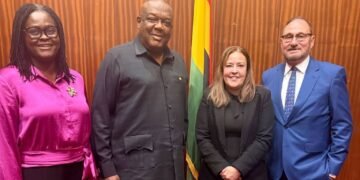









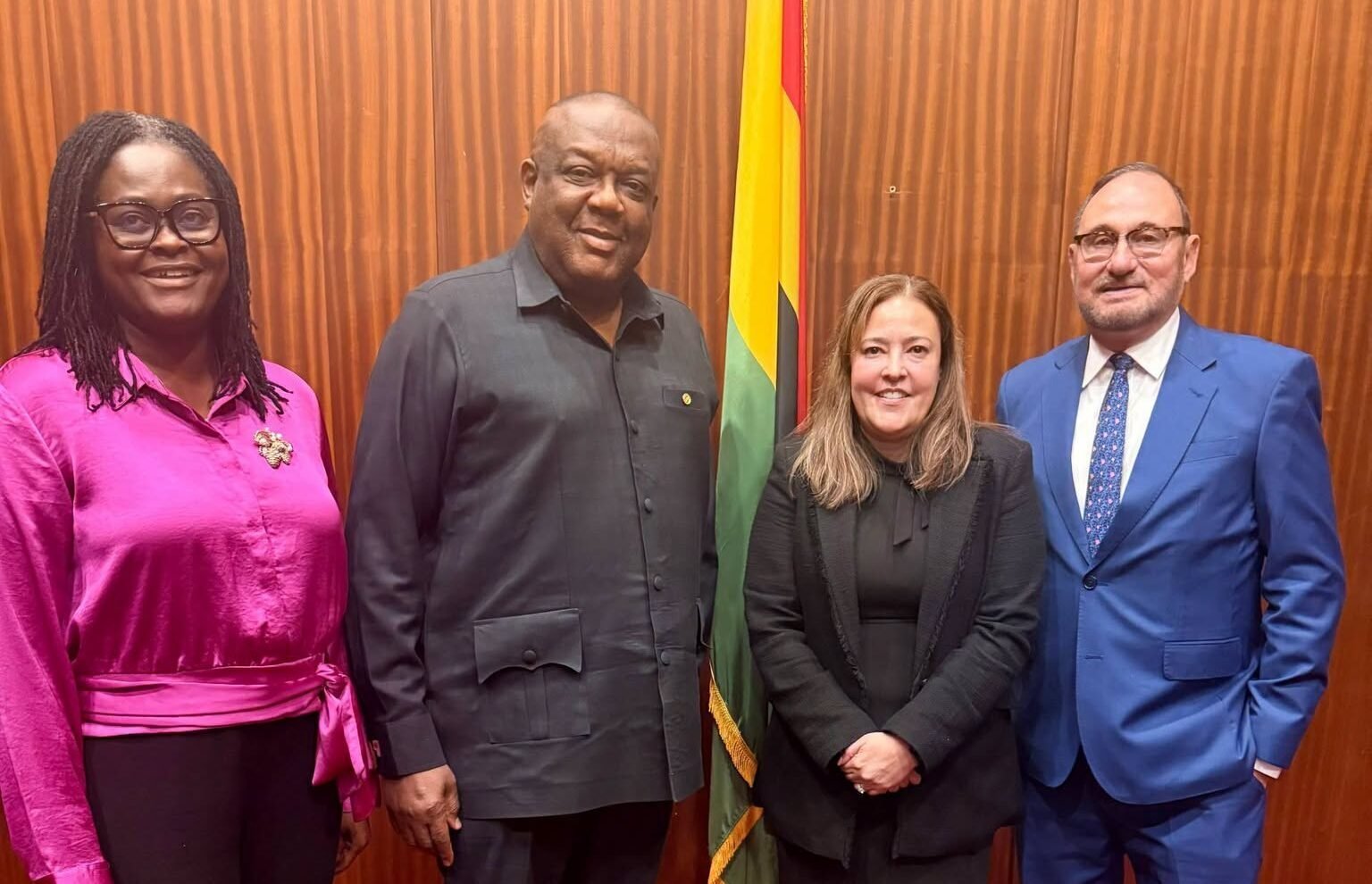
Ghana’s Ambassador to the United States, Victor Emmanuel Smith, has held discussions with international health and development stakeholders on plans for a proposed Centre of Excellence for Hearing, Communication and Cochlear Implant Care in Ghana.
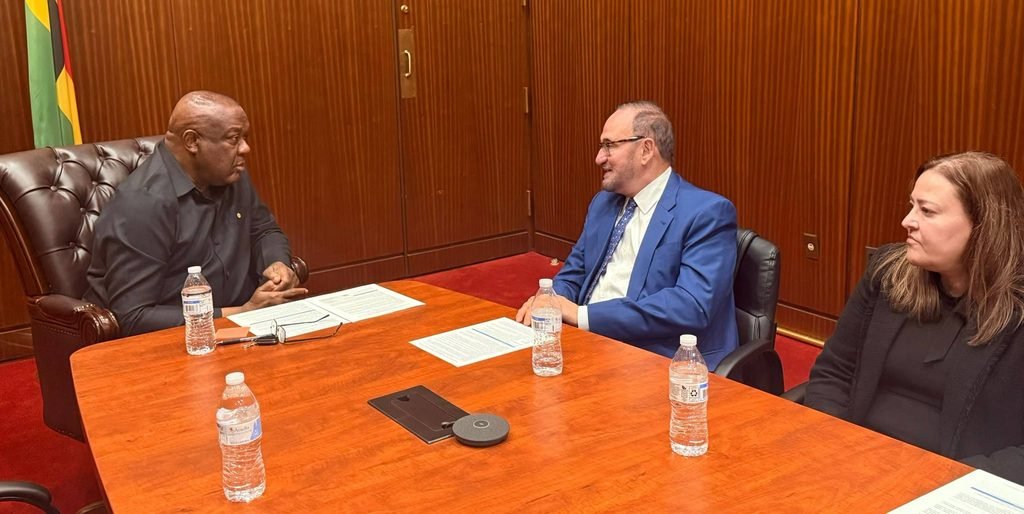
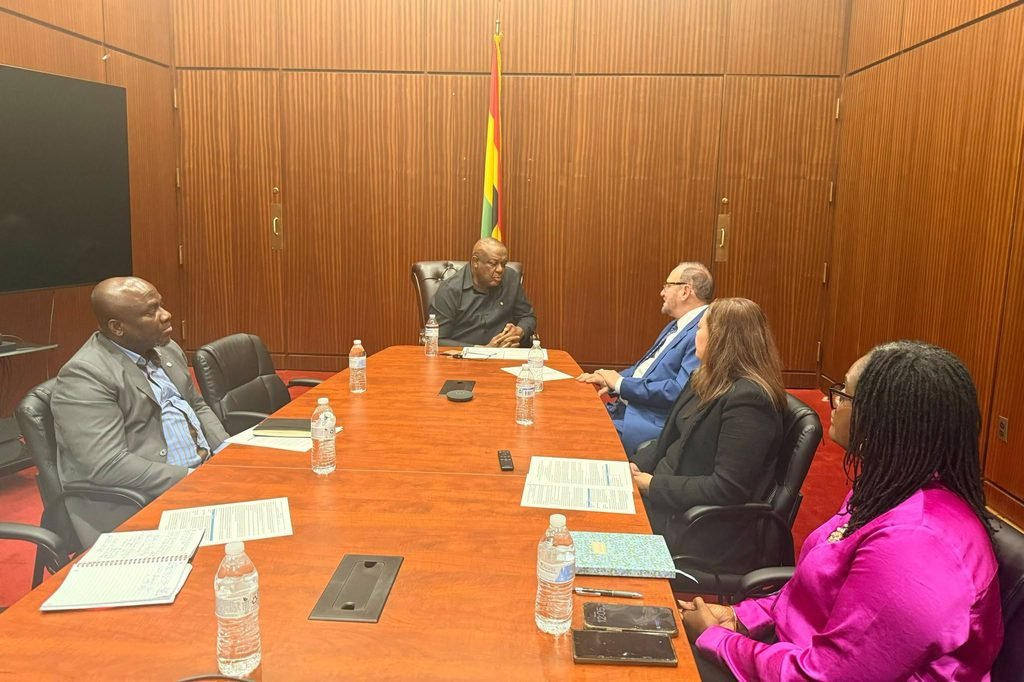
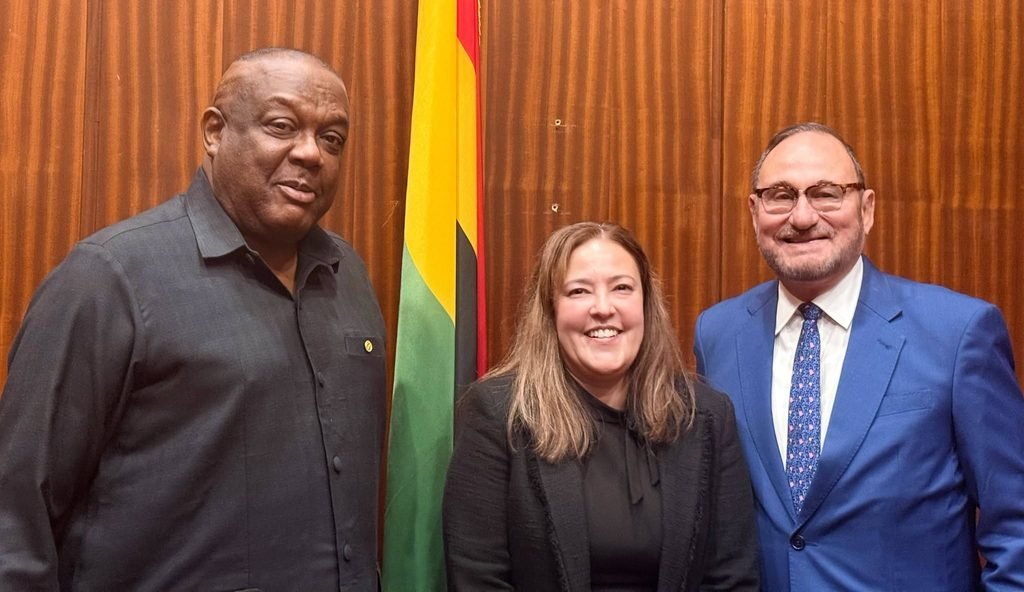
The meeting, held at the Embassy of Ghana in the United States, brought together Emilio Alonso Mendoza, President of the Alexander Graham Bell Association for the Deaf and Hard of Hearing (AG Bell); Mrs. Roxana Semorile, President of Semorile Holdings, LLC; and Mrs. Maabena Webb, Executive Director of Region17.
The discussions focused on developing a Ghanaian-led institution that would improve access to hearing healthcare, communication services and rehabilitation while strengthening the country’s existing health and academic institutions.
The proposed centre would bring together a range of services, including hearing screening and diagnosis, ear, nose and throat (ENT) care, audiology, hearing technology, cochlear implant services, speech and language therapy, rehabilitation, family support and research.
According to the statement on the meeting, the initiative would build on Ghana’s existing healthcare and academic infrastructure rather than replace established institutions.
The concept is also intended to reflect Ghana’s healthcare priorities, local institutions and workforce needs.
Hearing health is an important public health issue, particularly for children, whose language development, education and future employment prospects can be affected by untreated hearing difficulties.
The statement cited World Health Organization estimates indicating that 4.8 per cent of Ghana’s population lives with disabling hearing loss.
It also pointed to the Ghana Health Service’s strategic direction for 2026 to 2036, which calls for equitable and integrated ear and hearing services across all 16 regions.
The proposed centre is expected to explore ways of strengthening the delivery of specialised hearing services and improving access to early identification, diagnosis and treatment.
Early intervention is particularly important for children with hearing loss, as timely support can improve their communication, learning and social development.
Another key issue discussed at the meeting was the development of local professional capacity to sustain hearing healthcare services over the long term.
Under the proposed approach, international specialists would initially work alongside Ghanaian professionals to strengthen clinical skills, share knowledge and support the development of local expertise.
Ghanaian professionals would subsequently be trained to become national trainers, with the longer-term ambition of extending their expertise to other African countries.
The approach is intended to ensure that the knowledge, skills and professional capacity required to deliver specialised hearing care remain within Ghana.
Ambassador Smith thanked the participants for what was described as a constructive and forward-looking exchange and expressed interest in continued discussions.
The proposal, if developed further, could provide a platform for stronger collaboration among healthcare professionals, academic institutions and international partners to improve hearing health services in Ghana.