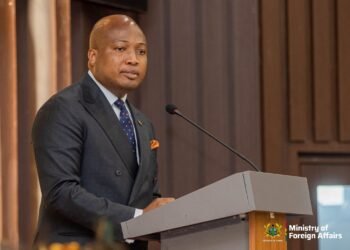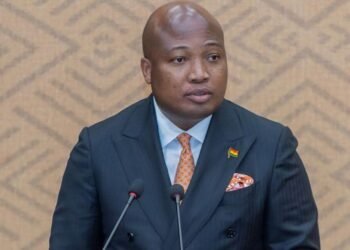






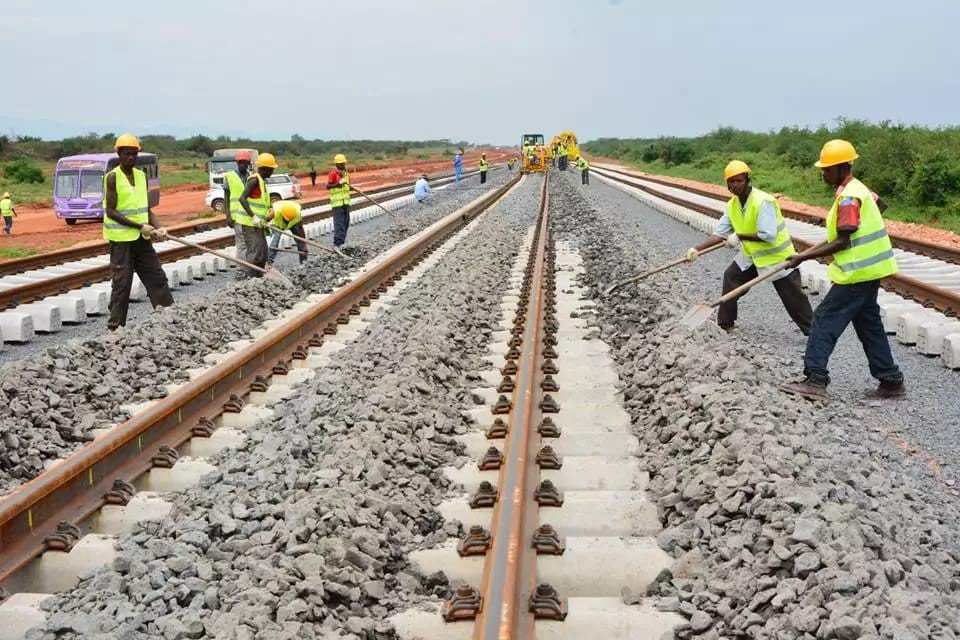
Foreign Affairs Minister Samuel Okudzeto Ablakwa says Ghana is engaging strategic international partners to support the country’s railway transformation as part of efforts to attract investment, create jobs and accelerate industrialisation.
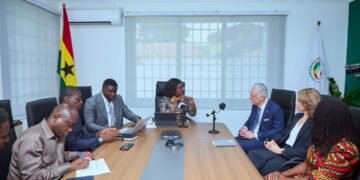
Speaking on the sidelines of the 81st United Nations General Assembly in New York, Ablakwa said the government is pursuing a range of bilateral agreements with countries with the capacity to support Ghana’s development priorities.
He said the engagements include labour mobility agreements, visa waiver arrangements, scholarship opportunities, trade and investment deals, as well as infrastructure agreements.
“I am looking at establishing new opportunities particularly for rail development. We are doing well with roads construction, with bridges. What we need now are strategic partners to help us in the railway sector,” Ablakwa said.
The Minister said Ghana is therefore engaging countries with significant financial resources to support the railway agenda.
“So I have been meeting with Qatar, with Bahrain, Saudi Arabia. These are big players who have liquidity and they can support us in the President’s agenda for railway transformation,” he said.
Ablakwa added that he has also scheduled engagements with Norway, Finland, the Netherlands and Germany, describing them as strategic partners for Ghana’s development agenda.
Beyond infrastructure, he said the government is seeking partnerships that will promote job creation, industrialisation and value addition to Ghana’s natural resources.
“I don’t come out of any meeting without anything positive. It’s not just about handshakes, it’s not just about photo opportunities, no. It’s about concretely what we can deliver for the Ghanaian people,” he said.
According to Ablakwa, Ghana’s bilateral engagements are focused on securing investments that can help build factories, add value to natural resources and create employment opportunities for the country’s young population.
“I just finished a good meeting with Qatar and Bahrain and we discussed how to help us to add value to our natural resources, to build more factories, because we have a very young population,” he said.
He said the broader objective is to ensure that Ghana’s natural resources are processed locally rather than exported without sufficient value addition.
“Job creation, industrialization, real development, value addition, making sure there’s resource sovereignty, that our natural resources are not just offered for cheap, without adding value, industrializing, and creating jobs for our people,” Ablakwa stated.
The Minister said he has more than 20 bilateral meetings lined up with what he described as carefully selected strategic countries and major international actors.
His engagements form part of Ghana’s broader diplomatic activities during UNGA81, alongside the country’s leadership on reparatory justice and preparations towards its expected role in the African Union.