

















The Ghana Medical Trust Fund, popularly known as MahamaCares, has provided critical financial support to patients facing catastrophic medical conditions during its first year of operation, helping families meet the high cost of specialised treatment.
The impact of the initiative has been highlighted through the experiences of beneficiaries, including Rebecca Odarquaye, a midwife who was diagnosed with a brain aneurysm and required urgent neurosurgery.
Rebecca’s procedure came with a medical bill of GH¢210,840, an amount her family could not afford.
Following media attention to her situation, the Ghana Medical Trust Fund intervened and covered the full cost of the surgery.
The procedure was performed by Professor Benjamin Sarkodie and his neurosurgical team at Euracare and was reported to have been successful.
Rebecca has since recovered and returned to her work as a midwife.
Another beneficiary was four-year-old Elsa Klabi from Kpando in the Volta Region, who was diagnosed with Wilms’ Tumour, a form of kidney cancer.
The Fund provided GH¢46,000 towards her treatment and surgery at the Ho Teaching Hospital, giving the young girl access to the care she needed.
During the pilot phase of the programme, seven cancer patients in the Volta Region also received treatment, while a total of GH¢4.8 million was deployed to support 50 patients, covering conditions including cancer, brain-related illnesses and heart conditions.
The Ghana Medical Trust Fund is designed to provide financial assistance to patients suffering from catastrophic and high-cost medical conditions, complementing existing healthcare financing arrangements.
The National Health Insurance Authority (NHIA) led by its Chief Executive Officer(CEO), Victor Bampoe has clarified that MahamaCares is not an NHIS programme.
The NHIA’s role is primarily supportive, including contributing funding and human resources to help strengthen the Fund’s capacity.
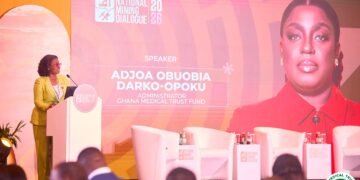
The initiative is administered by the Ghana Medical Trust Fund under Administrator Adjoa Obuobia Darko-Opoku and her team.
Supporters of the programme say it fills an important gap in Ghana’s healthcare system by providing assistance to patients whose treatment costs go beyond what they and their families can reasonably afford.
The Fund’s first year has therefore been presented as a demonstration of how financial protection can translate into tangible outcomes for patients, particularly those requiring expensive specialist care.
As the programme moves into its next phase, efforts are expected to focus on increasing public awareness and ensuring that more Ghanaians who qualify for support are able to access the Fund.