























The Ghana Revenue Authority (GRA) has reaffirmed its commitment to supporting women-led businesses in the informal sector through targeted tax and administrative reforms.
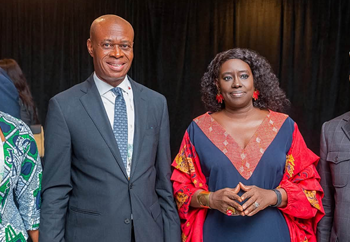
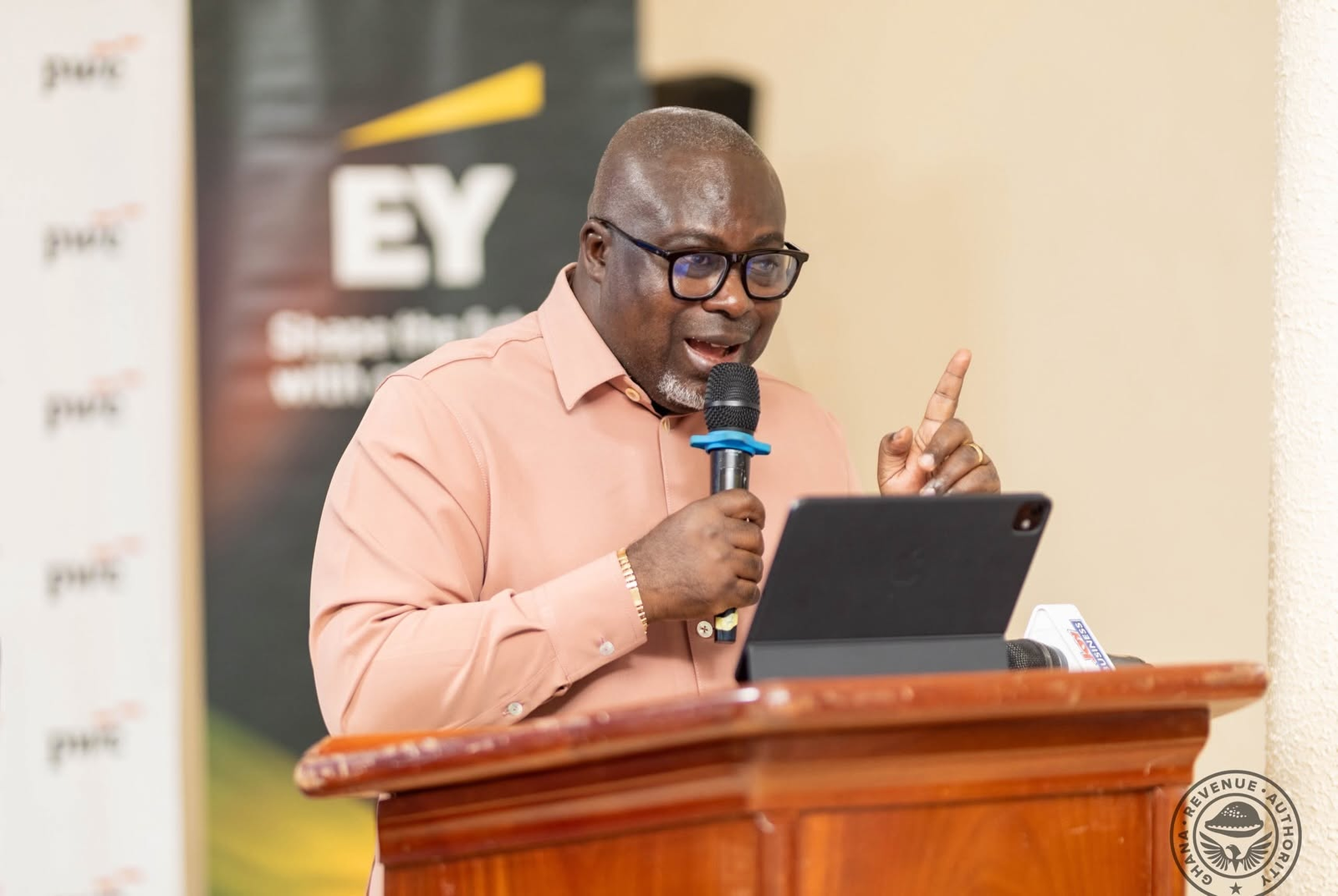
The Commissioner-General of the GRA, Mr. Anthony Kwasi Sarpong, and the Commissioner of the Domestic Tax Revenue Division (DTRD), Dr. Martin Kobil Yamborigya, joined members of the Society of Women in Taxation (SWIT) and other stakeholders to deliberate on the role of women in Ghana’s informal economy.
The engagement formed part of the 4th Annual Conference of SWIT, the female wing of the Chartered Institute of Taxation, Ghana (CITG).
The conference was held under the theme, “Tax Reforms, Informality and Gender: Implications for Women-Led Businesses in the Informal Sector.”
Speaking at the conference, Mr. Sarpong underscored the important contribution of women to trade, entrepreneurship and domestic revenue mobilisation.
He noted that women constitute a significant force in the informal economy and said tax policies and administrative processes must be designed to support their businesses while encouraging compliance and sustainable growth.
Mr. Sarpong stressed that the GRA remained committed to implementing reforms that would make the tax system more responsive to the needs of women entrepreneurs.
The discussions focused on the challenges facing women-led businesses in the informal sector and how tax reforms could help create a more supportive business environment, promote formalisation and enhance women’s contribution to national development.
The conference brought together stakeholders from the tax, accounting and legal professions, as well as women’s organisations, to exchange perspectives on taxation, gender and informality.
Among those in attendance were Deputy Chief of Staff, Hon. Nana Oye Bampoe Addo, Regional Chairperson, West Africa–SWIT, Madam Esi Duma Sam; President of CITG Ghana, Mrs Ernestina Christina Appiah; and representatives of the Association of Women Accountants Ghana (AWAG), the Women’s Forum of the Ghana Bar Association, the International Federation of Women Lawyers and SWIT chapters from other West African countries.