



















Ghana has highlighted its achievements in forest climate action and carbon market development at this year’s London Climate Action Week, with the government reaffirming its commitment to advancing global climate solutions through sustainable forest management and international partnerships.
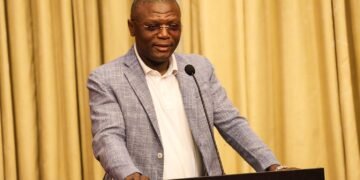
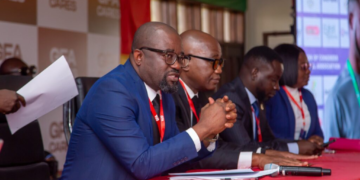
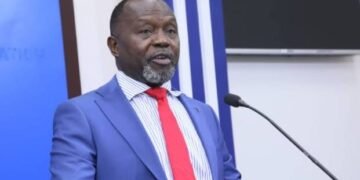
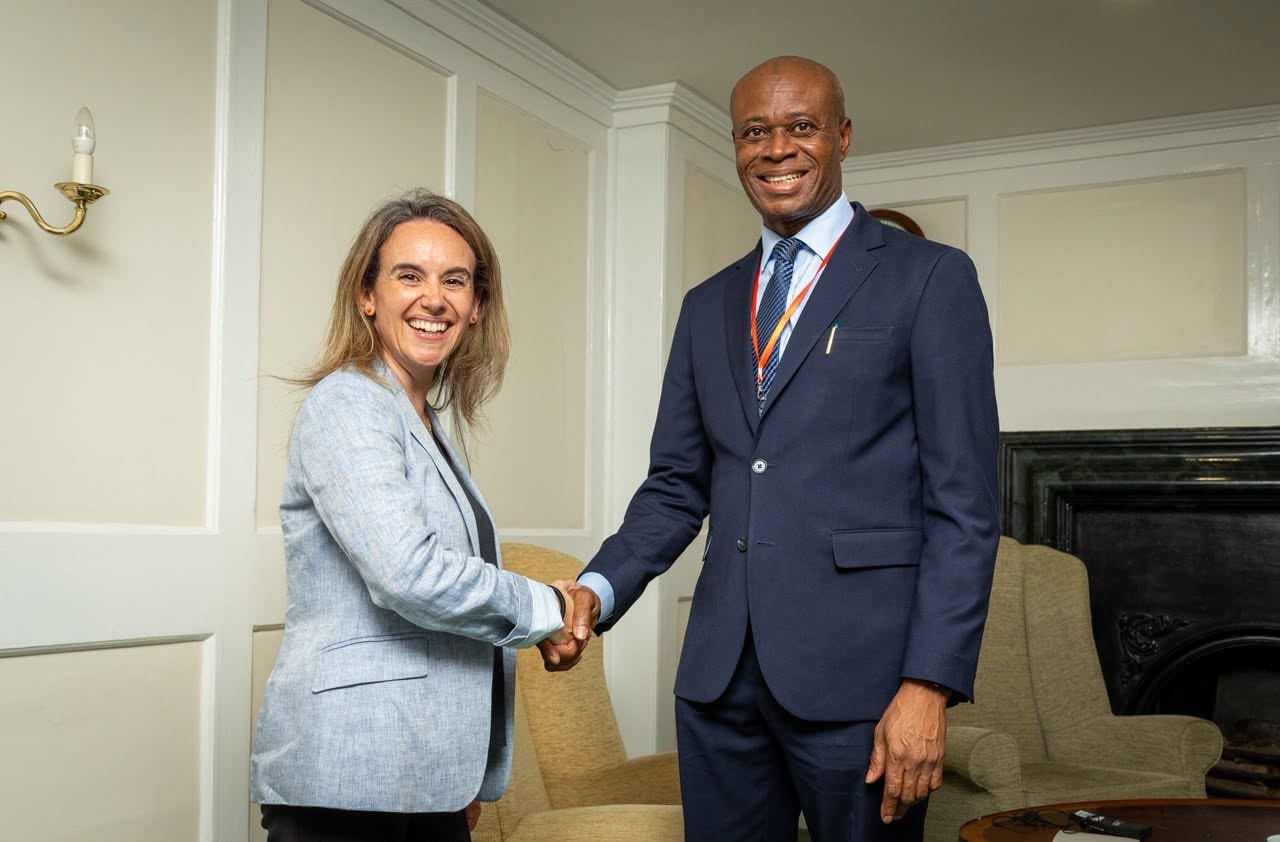
Leading a delegation from the Ministry of Lands and Natural Resources and its agencies, the Deputy Minister Yusif Sulemana represented Ghana at the event held at Kew Gardens in London, where he outlined the country’s progress in climate action over the past decade.
Addressing participants, the Deputy Minister described Ghana’s climate journey as one marked by steady ambition, innovation and continuous learning, noting that the country has evolved from implementing the Reducing Emissions from Deforestation and Forest Degradation (REDD+) programme to pioneering next-generation Jurisdictional REDD+ (JREDD+) initiatives under Article 6 of the Paris Agreement.
According to him, these efforts have strengthened Ghana’s forest monitoring systems, improved governance structures and established the institutional framework necessary for the implementation of high-integrity forest carbon programmes.
The Minister highlighted several milestones achieved by Ghana in its efforts to protect forests and reduce emissions.
He noted that the country has secured results-based climate finance through the Forest Carbon Partnership Facility and the Green Climate Fund, while also developing robust monitoring and governance mechanisms to support forest conservation.
He further disclosed that Ghana has expanded its international engagement in carbon markets by signing four bilateral carbon cooperation agreements with Switzerland, Sweden, Singapore and South Korea.
The Deputy Minister also announced that Ghana has doubled the volume of emission reductions it intends to offer under Article 6 mechanisms in its updated Nationally Determined Contributions (NDCs), underscoring the country’s commitment to scaling up climate action.
Looking ahead to upcoming United Nations climate conferences, he outlined four key priorities Ghana hopes future Conference of Parties (COP) presidencies will advance.
These include greater alignment among the three Rio Conventions—the United Nations Framework Convention on Climate Change (UNFCCC), the Convention on Biological Diversity (CBD), and the United Nations Convention to Combat Desertification (UNCCD)—to reduce overlapping requirements and policy inconsistencies facing countries implementing jurisdictional climate programmes.
The Deputy Minister also called for stronger international recognition of high-integrity jurisdictional carbon credits and clearer pathways for their adoption by governments and private sector actors.
He stressed that predictable demand for such credits is essential to attracting long-term investment in forest conservation initiatives.
Additionally, Ghana advocated for fair and sustainable carbon pricing, arguing that forest-rich countries cannot continue delivering high-quality climate mitigation outcomes if carbon market prices fail to reflect the true cost of protecting and restoring forests.
“Fair value is essential for communities, governments and long-term climate ambition,” he emphasized.
The deputy minister reaffirmed Ghana’s readiness to collaborate with the presidencies of COP30, COP31 and COP32, expressing confidence that forests can play a transformative role in addressing climate change while creating sustainable livelihoods.
He noted that with the right international framework, political commitment and financial support, forest-based climate solutions can deliver significant environmental and socio-economic benefits by 2030.