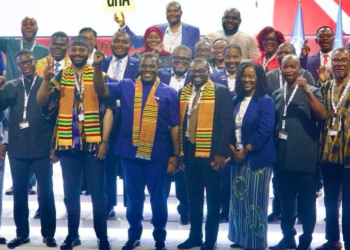





















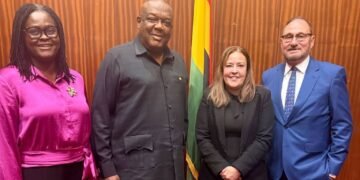


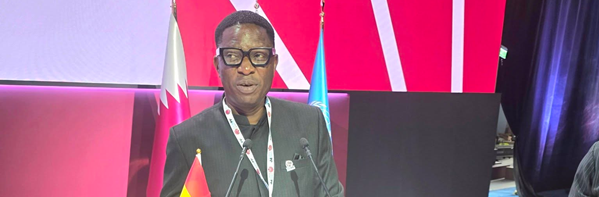
Ghana has strengthened its position in global telecommunications governance following two significant electoral victories at the ongoing International Telecommunication Union (ITU) Plenipotentiary Conference in Doha, Qatar.
Ghana was re-elected to the ITU Council for the 2027–2030 term on Monday, November 16, 2026, while the Director-General of the National Communications Authority (NCA), Rev. Ing. Edmund Yirenkyi Fianko, secured a second four-year term on the ITU Radio Regulations Board (RRB).
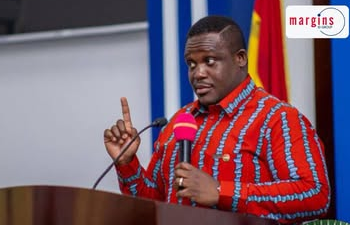
The Ghana Investment Fund for Electronic Communications (GIFEC), through its Administrator, Mr. Sofo Tanko Rashid-Computer, joined the Ministry of Communication, Digital Technology and Innovations and members of Ghana’s telecommunications community in celebrating the achievements.
The ITU Plenipotentiary Conference brings together member states to deliberate on international telecommunications policies, strategic priorities and digital development, making Ghana’s re-election an important opportunity to contribute to decisions shaping the future of global connectivity.
The two victories are expected to strengthen Ghana’s voice in international telecommunications discussions and reinforce its participation in shaping policies and regulatory frameworks for the sector.
For GIFEC, the developments align with its mandate to bridge the digital divide and promote equitable access to electronic communications services, particularly in underserved and unserved communities.
The Fund continues to support Ghana’s digital inclusion agenda through initiatives such as the Rural Telephony Project, Community Information Centres, Digital Transformation Centres, Girls in ICT and its support for the One Million Coders Programme.
These interventions are aimed at expanding connectivity, improving digital skills and creating opportunities for more Ghanaians to participate in the digital economy.
GIFEC’s participation in the international conference also highlights its commitment to strengthening partnerships and promoting international collaboration in support of sustainable connectivity and inclusive digital development.
Ghana’s latest electoral successes therefore present an opportunity to further advance its interests in global telecommunications governance while supporting national efforts to ensure that the benefits of digital transformation reach communities across the country.