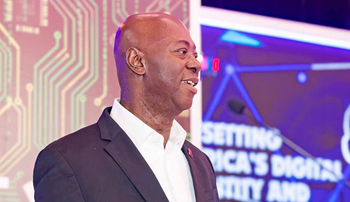


























The Gambia has adopted and implemented digital identity technology developed in Ghana through a partnership with Margins ID Group, with the country’s Special Adviser to the President on ICT and Digital Economy, Ousman Bah, praising Ghana’s approach to digital identity interoperability.
Mr Bah said Ghana’s ability to connect identity systems and consolidate data into shared databases had impressed him, describing the country’s digital identity infrastructure as a model that other African nations could learn from and adapt to their needs.
Speaking at the 11th MOBEX Africa Conference 2026 in Accra, he recalled visiting Ghana in December 2022, when he first engaged with Margins ID Group and examined its digitalisation work.
“When I came to Ghana in December 2022, I met Margins and looked at what Margins was doing compared with what Western countries were doing in terms of digitalisation,” he said.
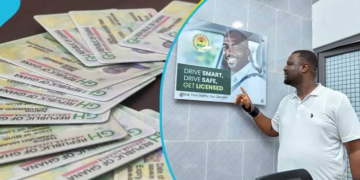
Having also visited Rwanda and other countries, Mr Bah said Ghana’s emphasis on interoperability stood out, particularly in its driver’s licensing system, where data were being scanned and consolidated into a single database.
“In terms of the driver’s licence that he just talked about, I see with my own eyes how they are scanning all these data and putting them in one single database,” he said.
He added that Ghana’s digital identity system reflected the kind of infrastructure he hoped to establish in The Gambia.
“How they have the digital ID, and this is what I want in Gambia. We are not there yet,” he said.
Mr Bah said The Gambia had since adopted and implemented the same technology through a partnership with Margins ID Group.
“So today, I can proudly sit here and say the same technology Ghana has implemented is the same technology Gambia has adopted and implemented through a partnership with Margins ID Group,” he stated.
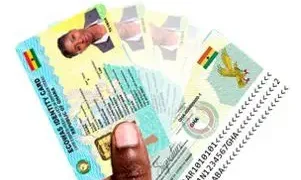
The Gambian National Identity Management System is being implemented through a partnership between the Government of The Gambia and IMS Gambia Limited, an implementation partner within the Margins ID Group ecosystem.
The project is intended to support individual identification and verification while laying the foundation for more connected public services.
Margins ID Group’s involvement in The Gambia illustrates how technology developed in Ghana is being applied beyond the domestic market.
The company is also involved in engagements relating to the Democratic Republic of the Congo, reflecting broader interest in digital identity infrastructure across Africa.
Mr Bah’s endorsement highlighted the potential for African countries to share and adapt locally developed technology to support their respective digitalisation priorities.
Also addressing the conference, Moses Kwesi Baiden Jnr, Founder and Chief Executive Officer of Margins ID Group, described digital identity as essential economic infrastructure that can strengthen trust in financial services, business transactions and cross-border trade.
Speaking on the theme, “Digital Identity as National Infrastructure: Powering Ghana’s Economic Transformation through Trust, Technology and Inclusive Growth,” Mr Baiden said the value of digital identity extended beyond issuing physical cards.
“Digital identity is not a card. It is infrastructure,” he said, stressing the importance of authentication, governance and interoperability in enabling trusted transactions across sectors.
He linked reliable identity verification to Africa’s trade finance deficit, which continues to constrain businesses seeking to expand and participate in domestic and international commerce.
The African Development Bank’s 2025 Trade Finance Report estimates that unmet demand for trade finance in Africa stood between US$74 billion and US$92 billion in 2024, with the gap potentially exceeding US$100 billion by 2027 under a moderate-to-severe scenario.
Mr Baiden said trusted verification systems could help reduce some barriers to financial and commercial transactions by supporting customer due diligence, regulatory compliance and remote onboarding.
He acknowledged, however, that digital identity alone could not close the financing gap, which is also driven by foreign-exchange shortages, limited bank financing and lenders’ appetite for risk.
Mr Baiden also highlighted the relationship between identity verification and the growth of digital financial services, particularly mobile money and digital lending.
“Mobile Money Is Not A Payments Story. It is an identity story,” he said, arguing that secure identity verification was fundamental to the development of these services.
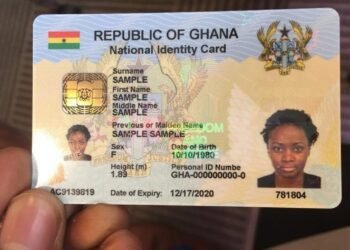
According to him, Ghana’s national identity ecosystem, developed by Margins ID Group in partnership with the National Identification Authority, has integrated more than 20 million people and 262 institutions.
The shared infrastructure allows participating institutions to verify individuals against a common system rather than developing separate verification platforms.
The Ghanacard Personal Identification Number (PIN), linked to biometric and demographic records, serves as a persistent identifier within the ecosystem.
Mr Baiden said the system’s wider economic value depended on its secure and effective use across sectors, backed by sound governance, interoperability and long-term sustainability.