

























The Renal Patient Association of Ghana has renewed calls for the expansion of dialysis services across the country, urging the government to increase the number of accredited treatment centres under the National Health Insurance Scheme (NHIS) to improve access to life-saving renal care.
The appeal was made during a meeting between the Association and the leadership of the National Health Insurance Authority (NHIA) and the Ghana Medical Trust Fund (GMTF) at the NHIA Head Office in Accra.
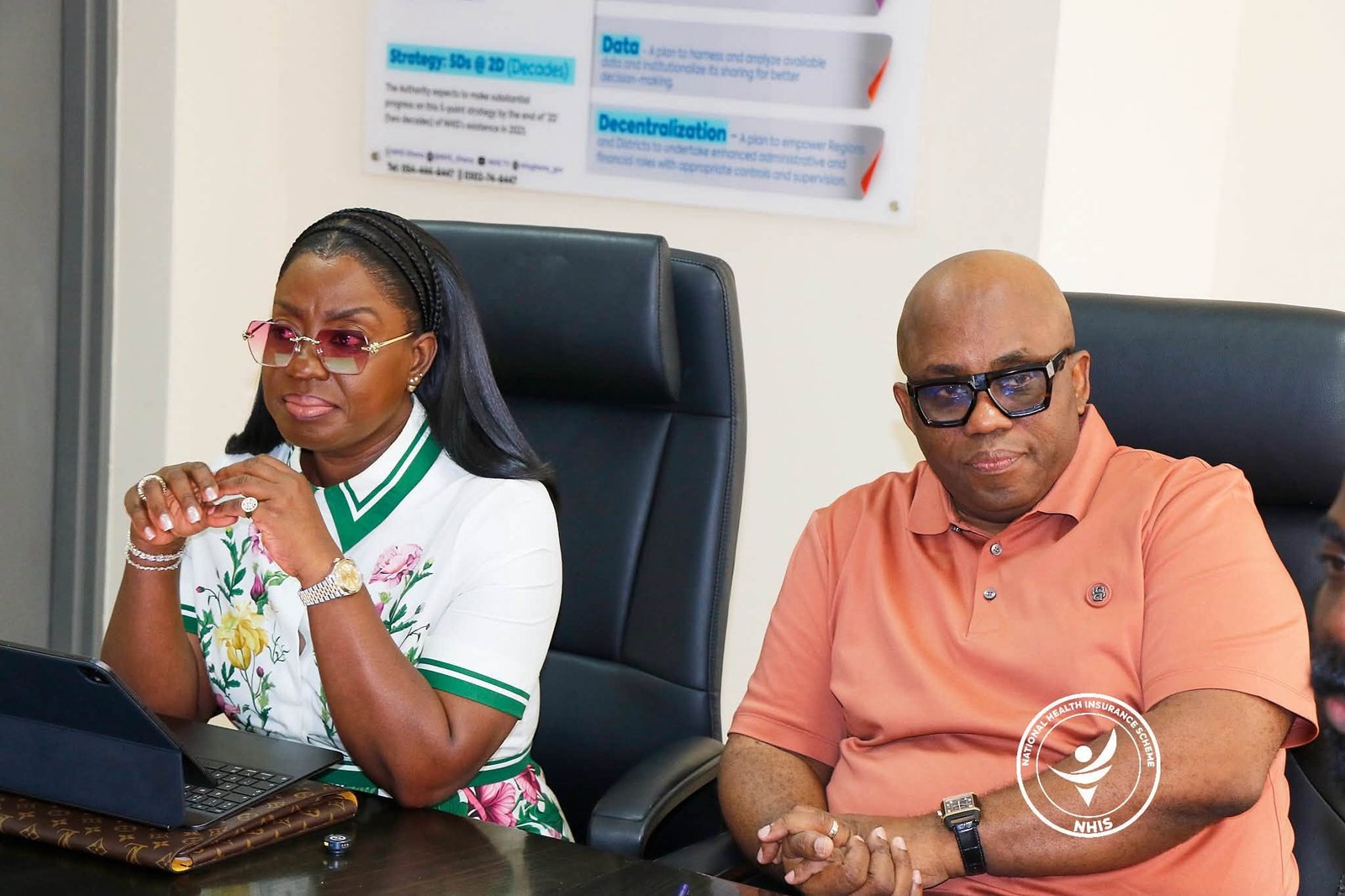
The meeting was attended by NHIA Chief Executive Dr. Victor Asare Bampoe, GMTF Administrator Obuobia Darko-Opoku, and a delegation from the Renal Patient Association led by its President, Baffour Kojo Ahenkorah, accompanied by Secretary Noel L. G. Sah and member Thomas Cann.
During the engagement, Mr. Ahenkorah called for the expansion of credentialed health facilities providing dialysis services under the NHIS and appealed for intensified public education on kidney disease prevention and early detection.
He stressed the need to incorporate kidney health education into Ghana’s preventive healthcare agenda, beginning at the basic school level, citing the increasing number of young people being diagnosed with end-stage kidney disease and requiring dialysis.
The Association also highlighted challenges confronting renal care, including rising patient numbers, shortages of essential dialysis consumables, and overstretched public treatment centres, which it said continue to limit timely access to care.
While commending the NHIA and the Ghana Medical Trust Fund for supporting renal patients through the NHIS-sponsored free dialysis programme, the Association urged stronger collaboration among stakeholders to improve access to affordable treatment and expand dialysis facilities nationwide.
According to the Association, the free dialysis programme has significantly reduced mortality among kidney patients and eased the financial burden on many families.
However, it said more investment is needed to meet the growing demand for treatment and improve the quality of care.
Responding to the concerns, Dr. Bampoe thanked the Association for engaging the Authority through dialogue and advocacy, assuring members that he would discuss the proposal to expand dialysis centres with the Ministry of Health and provide feedback.
He also welcomed the Association’s proposal to collaborate with the NHIA on public awareness campaigns on kidney disease, noting that the initiative aligns with the government’s Free Primary Health Care programme.
Dr. Bampoe further disclosed that the NHIS has introduced improved reimbursement tariffs for healthcare providers to help reduce service delivery costs and support the sustainability of renal care services.
For her part, GMTF Administrator Obuobia Darko-Opoku said the Fund complements the work of the NHIS by supporting the treatment of chronic and Non-Communicable Diseases, including kidney-related conditions.
She described kidney transplantation as the most effective treatment for advanced kidney disease but noted that Ghana currently lacks the legal framework to regulate organ transplantation.
Ms. Darko-Opoku expressed optimism that Parliament would pass the necessary legislation before the end of the year, paving the way for the Ghana Medical Trust Fund to support and finance kidney transplant procedures in the country