










The Customs Division of the Ghana Revenue Authority (GRA) has held discussions with the United Nations University Institute for Natural Resources in Africa (UNU-INRA) on strengthening value retention, traceability and capacity building in Ghana’s mining sector.
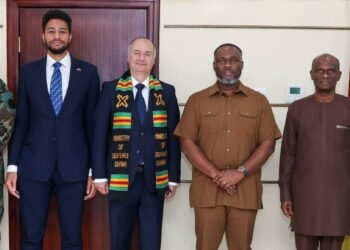
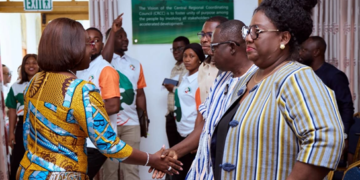
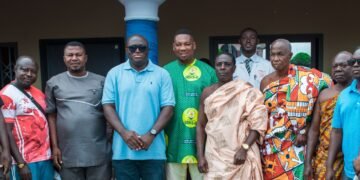
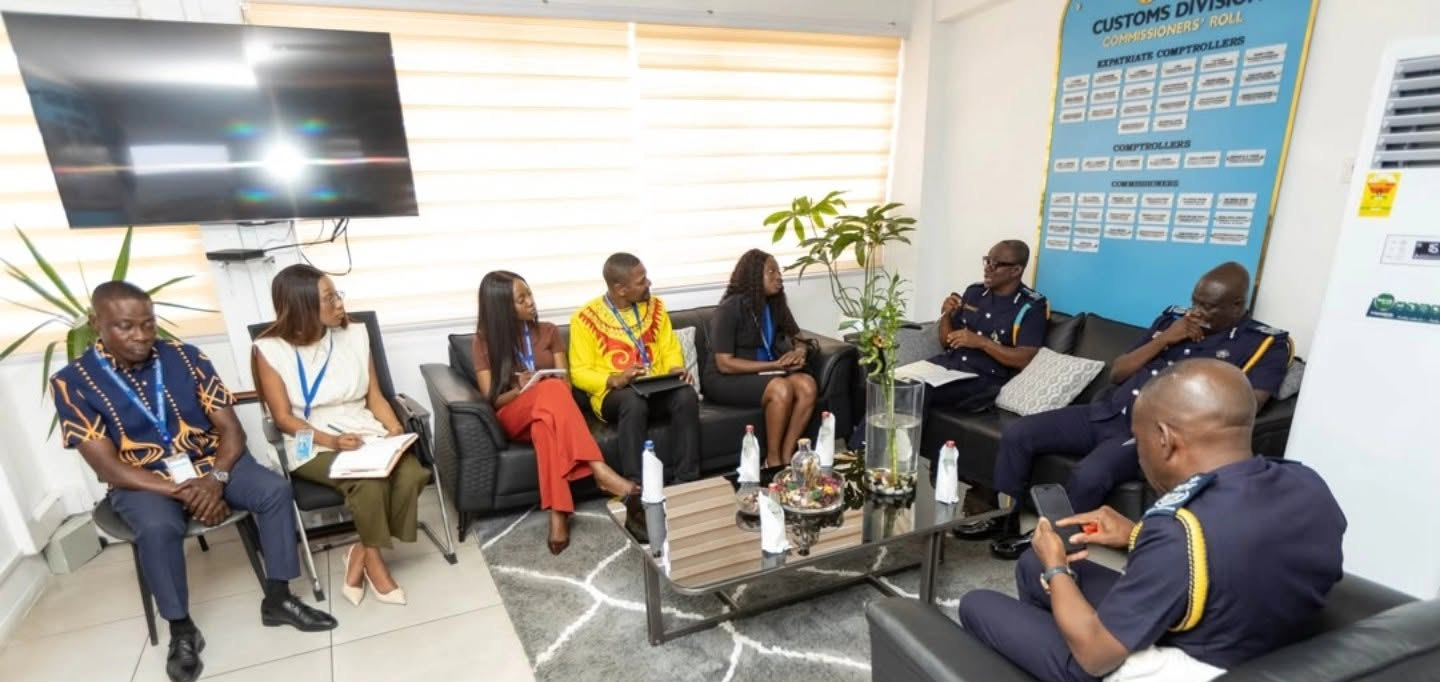
The discussions took place during a courtesy call by a UNU-INRA delegation led by Dr Richard Munang on the Commissioner of the Customs Division, Mr Aaron Kanor, in Accra.
The meeting was also attended by the Head of Mining, Eric Bonney, and the Assistant Commissioner in charge of Training, Mr Ofori-Atta.
During the engagement, Mr Kanor briefed the delegation on the Division’s electronic seal and tracking system, which is approximately 90 per cent implemented.
The system is designed to secure gold shipments from mine sites to ports, facilitate the direct uploading of documents into the Integrated Customs Management System (ICUMS), and track duty-exempt equipment to prevent diversion.
He said the system had been piloted in the Ahafo and Ashanti regions, with a nationwide rollout expected to follow.
Dr Munang proposed joint research to assess how much value generated from mining and related activities could be retained within Ghana.
He suggested exploring measures to retain 30 per cent of added value in the country while also quantifying the less visible costs of mining, including its effects on public health, land and food systems.
The proposed research is expected to provide evidence to inform policy decisions and strengthen efforts to ensure that Ghana derives greater economic and social benefits from its natural resources.
UNU-INRA also offered to provide free training for Customs officers from early 2027, complementing the Division’s Green Customs programme.
The training is expected to strengthen officers’ knowledge and capacity in areas related to sustainable resource management and environmentally responsible customs operations.
Both institutions agreed to formalise their collaboration through a Memorandum of Understanding (MoU).
The proposed agreement will provide a framework for data sharing, policy development and knowledge exchange, with the potential to extend cooperation across Africa.
The partnership is expected to support efforts to improve transparency in the mining sector, strengthen regulatory oversight and promote greater domestic retention of the value generated from Ghana’s natural resources.