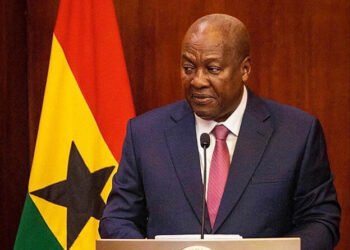



















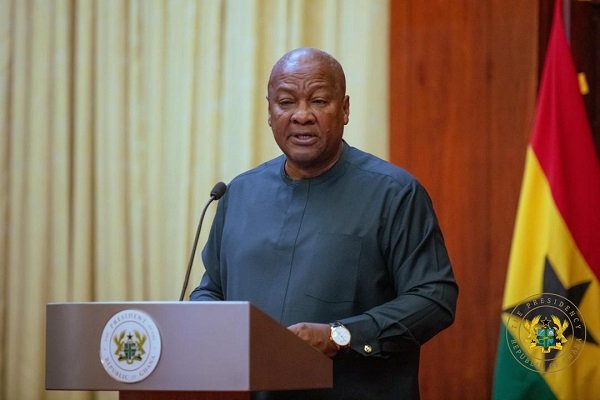
President John Dramani Mahama has directed the Ghana Police Service and officials implementing the TraffiTech-GH traffic enforcement system to install signposts at locations where speed cameras are deployed to alert motorists.
The President said transparency is essential to the successful implementation of the technology, stressing that drivers must be adequately informed when approaching areas monitored by speed cameras.
Speaking on the sidelines of the Commonwealth Heads of Government Meeting (CHOGM) in Antigua and Barbuda, President Mahama explained that warning signs would help motorists understand the system and encourage compliance with speed limits.
He also defended the introduction of TraffiTech-GH against criticism that the government should prioritise fixing roads before enforcing traffic regulations. According to him, road safety interventions should not be delayed until all roads are in perfect condition.
President Mahama highlighted the alarming number of children who are knocked down, killed or permanently injured while returning from school, describing speeding as a major concern that requires urgent attention.
He noted that the initial phase of TraffiTech-GH focuses on detecting speeding offences, with other violations, including jumping red lights and illegal parking, expected to be incorporated later.
Responding to concerns about the state of Ghana’s roads, he pointed out that countries such as the United Kingdom also operate speed camera systems despite having roads that are not entirely perfect.
On complaints that the fines imposed under the system are too high, the President maintained that motorists could avoid the penalties by obeying speed limits.
“If it is too expensive, then don’t overspeed. That’s all. There is a solution to it,” he said.
TraffiTech-GH was rolled out by the Motor Traffic and Transport Department (MTTD) of the Ghana Police Service on November 1, with camera technology initially deployed to detect speeding violations.
The President’s directive for visible warning signs is expected to promote public awareness, strengthen transparency and encourage safer driving as the traffic enforcement system expands.