


















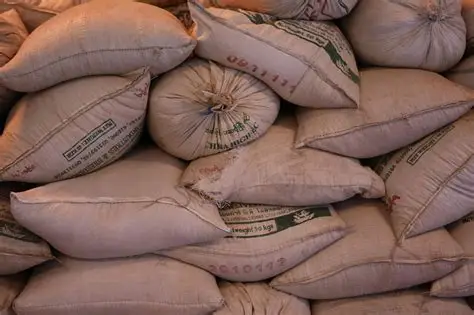
Government has announced plans to prohibit commercial rice imports by 2030 as part of measures to achieve self-sufficiency in rice production and strengthen the local agricultural sector.
The policy, announced by Finance Minister Dr. Cassiel Ato Forson during the presentation of the 2027 Budget on Thursday, November 12, is expected to increase demand for locally produced rice and create a reliable market for Ghanaian farmers.
Under the plan, rice import licences will be linked to purchases from verified Ghanaia farmers and millers beginning in 2027.
The proportion of locally purchased rice will gradually increase as domestic production expands, while import quotas will decline.
Presenting the policy to Parliament, Dr. Forson said commercial rice imports would be prohibited by 2030.
“Mr. Speaker, commercial rice imports will be prohibited by 2030,” he said.
He explained that the decision would be supported by increased domestic production, milling, storage, quality assurance and reliable distribution systems.
Government also intends to amend public procurement laws to ensure that public funds spent on rice and other staple foods for schools, hospitals and public institutions are used to purchase only food produced in Ghana.
The measure is expected to provide farmers with a dependable market while ensuring that public spending supports local businesses and employment.
“The money of the Ghanaian people must create opportunity for the Ghanaian people,” the Finance Minister said.
Beyond rice, government is also targeting self-sufficiency in sugar by 2030 through locally grown sugarcane, irrigated production zones, organised outgrowers and commercially viable mills.