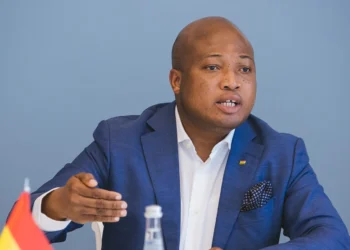









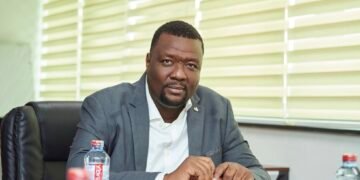

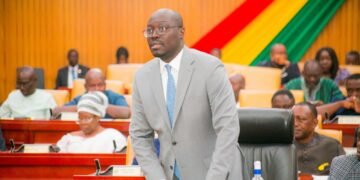



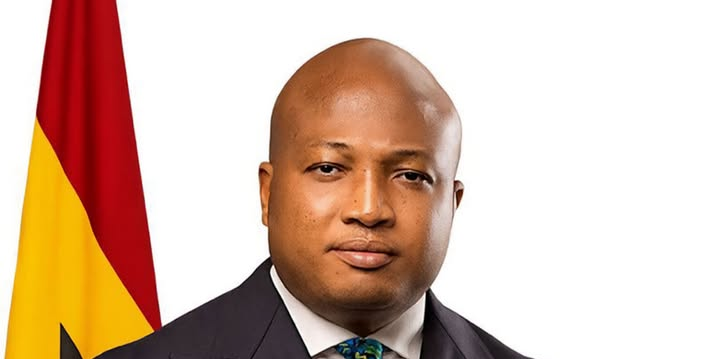
The Director of Operations for Progressive People’s Party(PPP), Divine Nkrumah has defended Foreign Affairs Minister Samuel Okudzeto Ablakwa over his handling of concerns surrounding funds provided to Ghanaians evacuated from South Africa, arguing that the minister’s public disclosures should be encouraged rather than condemned.
In a commentary titled “Is Transparency Now a Crime in Ghana?”, Mr Nkrumah said public officials should be held accountable but cautioned against attempts to discredit the minister without sufficient evidence.
He described Ablakwa’s willingness to make information available to the public as commendable, arguing that transparency was essential to strengthening accountability in governance.
According to Mr Nkrumah, scrutiny of public officials is necessary, but it must be based on verifiable evidence rather than allegations intended to create scandal.
Mr Nkrumah argued that the extent of information disclosed by the Foreign Affairs Minister suggested a willingness to subject the handling of the funds to public scrutiny.
He pointed to the reported availability of payment records and details of individuals who signed for the money, saying such information could help the media and other stakeholders verify the transactions.
His comments come amid claims by some evacuees that they did not receive the full amounts they were entitled to.
Mr Nkrumah noted that Ablakwa had issued a press release inviting evacuees with concerns to provide information and evidence to help resolve the matter.
He questioned why some individuals making the claims had not publicly identified themselves, arguing that providing verifiable details would help establish what had happened.
However, the claims regarding payments remain matters requiring verification, and the availability of records alone does not establish whether all intended recipients received the correct amounts.
In defending Ablakwa, Mr Nkrumah referred to previous controversies involving public accountability, including concerns surrounding the National Cathedral project, COVID-19 vaccine procurement and the banking sector clean-up.
He argued that these cases highlighted the importance of transparency in public administration and questioned what he described as inconsistencies in demands for accountability from political actors.
Mr Nkrumah also criticised individuals associated with the New Patriotic Party (NPP) who have called for Ablakwa’s resignation, arguing that their own records and past positions should also be subjected to scrutiny.
He specifically referenced Dennis Miracles Aboagye and made an allegation concerning the removal of forensic audit findings related to financial dealings at IMMC.
That allegation was presented in his commentary and has not been independently established in the material provided.
Mr Nkrumah maintained that transparency should not be treated as wrongdoing and urged the public to distinguish between substantiated evidence and allegations.
While acknowledging that no public official should be exempt from accountability, he argued that investigations into the evacuation payments should focus on verifiable records and the concerns raised by affected individuals.