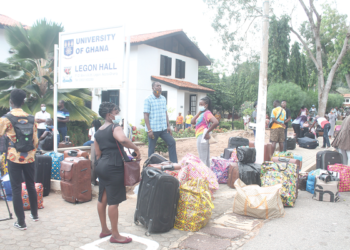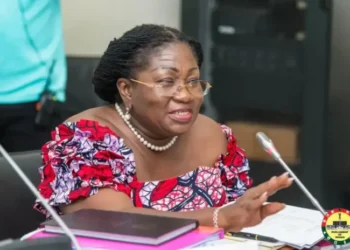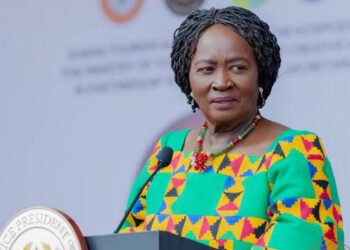















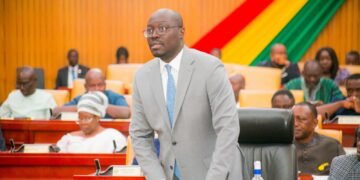






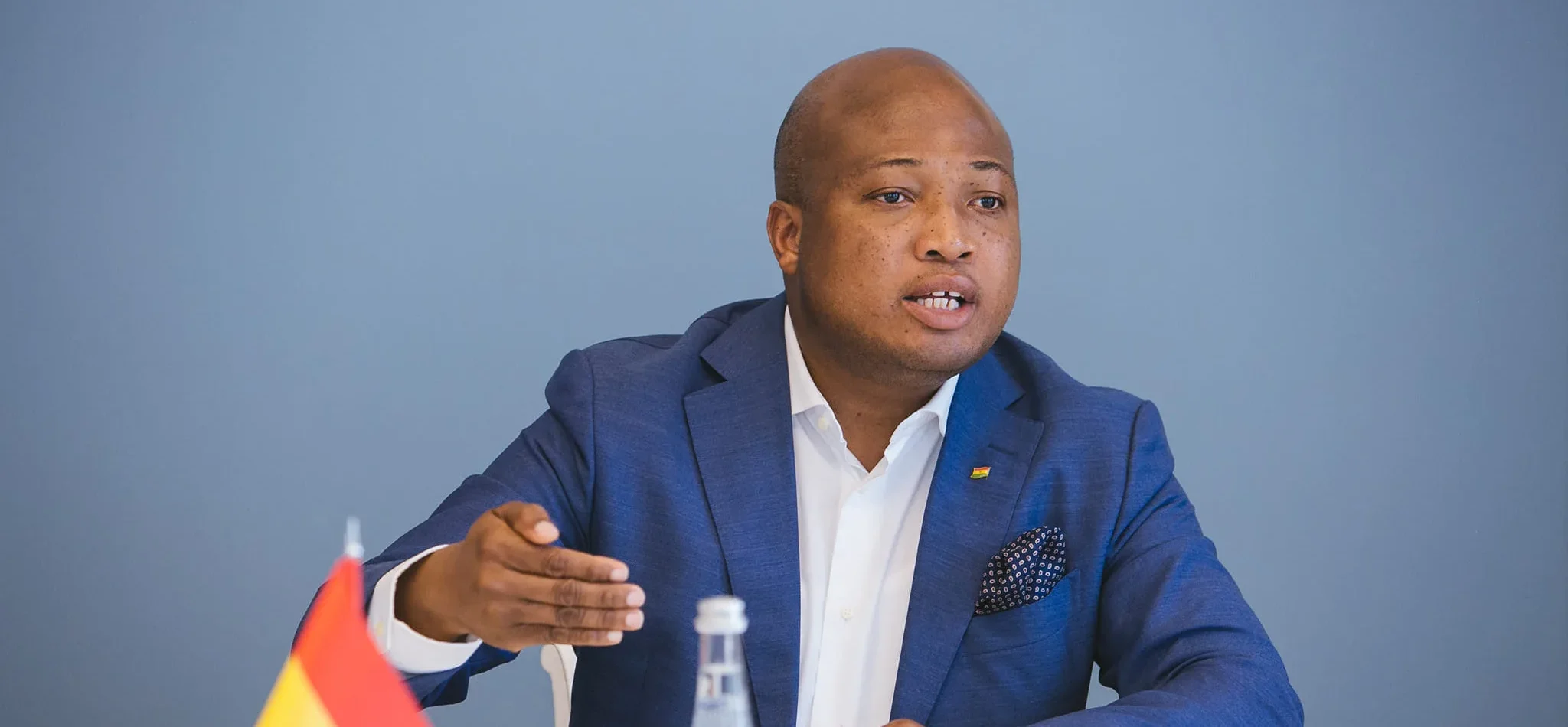
Foreign Affairs Minister Samuel Okudzeto Ablakwa has urged foreign diplomatic missions in Ghana to provide visa appointment dates for students who have already paid their school fees and other required deposits but are unable to travel.
Ablakwa said his office had received several petitions from students who were due to begin studies abroad but were still waiting for visa appointments.
Many of the affected students and their families have already spent thousands of dollars, pounds and euros on tuition, accommodation deposits and proof-of-funds requirements.
The minister said the delays are creating uncertainty for students, especially those whose universities have already started the new academic year.
“Universities have opened and the academic year has begun and then students are stranded. They don’t know their fate,” Ablakwa said.
He said the situation was also putting financial pressure on parents who had paid school fees and other deposits to secure their children’s admission.
According to the minister, foreign governments have the right to decide whether an applicant qualifies for a visa. However, he believes applicants who have already spent significant amounts should at least be given an opportunity to present their cases.
“We are not forcing you to grant the visas,” Ablakwa said.
He urged foreign missions to provide appointment dates even when they may ultimately decide not to approve an application.
Ablakwa said this would give students enough time to consider other options if their visa applications were unsuccessful.
Those options could include deferring admission, requesting refunds where possible, choosing another country or pursuing the same course in Ghana if it is available.
The Foreign Affairs Minister recently visited more than 20 visa application centres to examine the conditions faced by applicants and review appointment systems and other consular services.
Ablakwa said the government was concerned not only about visa decisions but also about how Ghanaian applicants are treated during the process.
He stressed that Ghana respects the authority of foreign missions to approve or reject visa applications. However, he said applicants should receive fair treatment and have their dignity protected.
“We will stand up for our nationals and defend their rights and ensure that their dignity is protected,” he said.
The minister also raised concerns about applicants being left without clear information about when they will receive appointments.
He called on Ghana’s international partners to work with the government to improve the visa application process and reduce delays affecting students and other travellers.
Ablakwa said Ghana would not interfere with the final decision on whether a visa should be granted.
However, he maintained that applicants deserve timely appointments, respectful treatment and a fair opportunity to present their applications.
For students who have already paid tuition fees, accommodation deposits and other expenses, the minister said prolonged visa delays could result in serious financial and academic consequences.
He therefore urged foreign missions to provide clarity to applicants so that those who cannot secure visas can make alternative arrangements without losing more time or money.