






















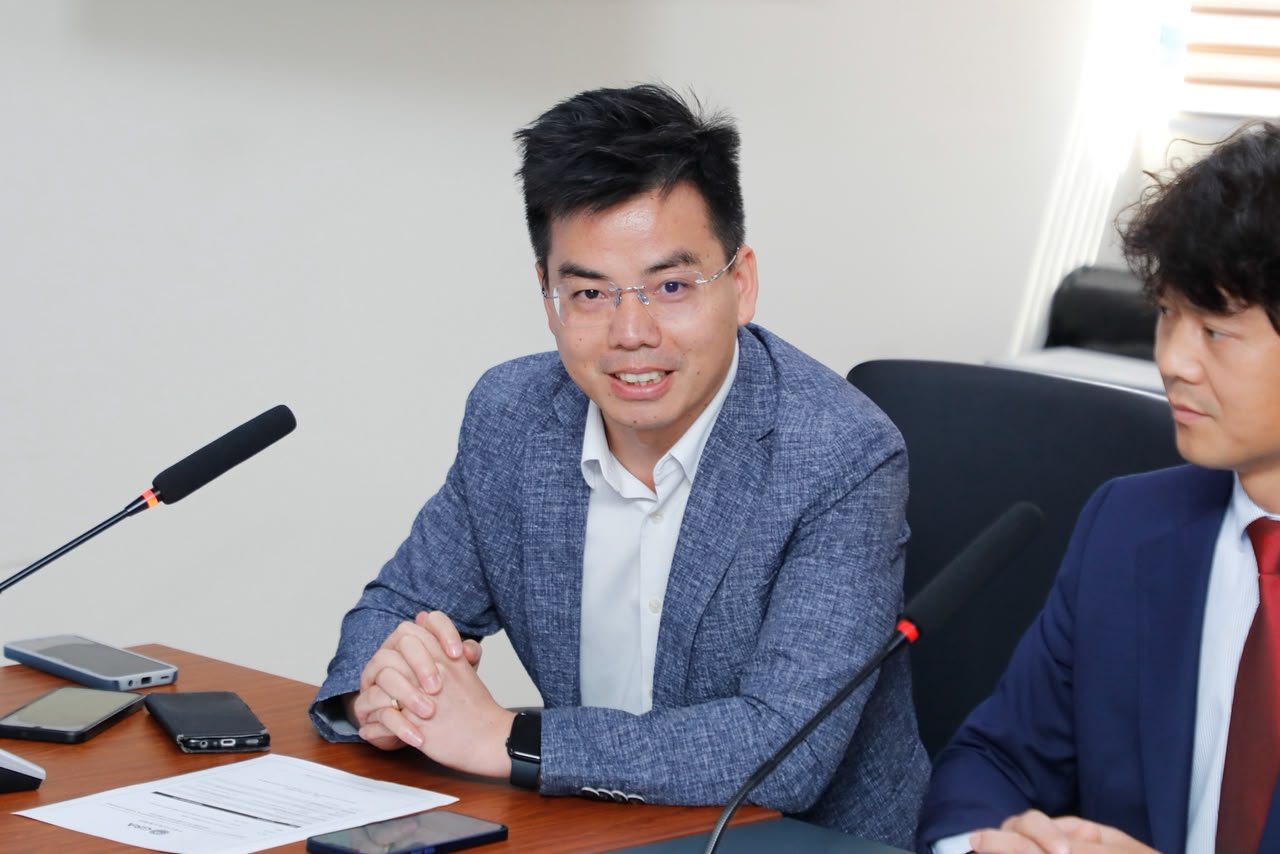
Softcare Country Manager Michael Kofi Baako has called for stronger investment in Ghana’s domestic manufacturing sector, warning that continued dependence on imported finished goods exposes the economy to inflation, instability and currency depreciation.
He said expanding local production would enable businesses to increase output, grow exports, generate more tax revenue and create jobs, while helping Ghana build a stronger and more resilient economy.
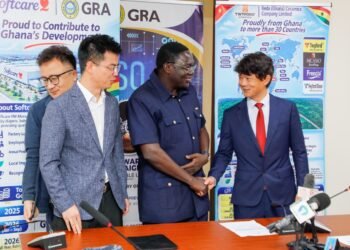
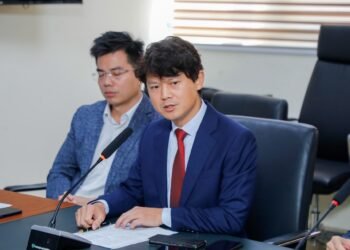
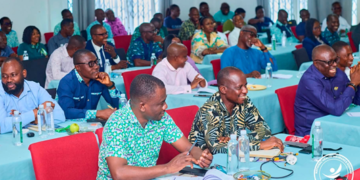
Mr Baako made the remarks during the official presentation of tax payments by Keda Ghana Ceramics and Softcare Group to the Ghana Revenue Authority (GRA) at the Customs Tariff 1 Conference near the Law Court.
He argued that relying heavily on imported finished products could leave the country vulnerable to external economic pressures.
“Imagine we are keeping importation of finished goods from abroad. Okay, we are importing inflation, we are importing instability, we are importing, I mean, currency depreciation,” he said.
He contrasted this with the potential benefits of investing in local manufacturing, noting that businesses that commit resources to production in Ghana could help strengthen the country’s industrial capacity.
Mr Baako said the confidence businesses received from operating and investing in the country could encourage further expansion, leading to increased production and greater participation in export markets.
He explained that higher domestic production would also create opportunities for companies to contribute more to government revenue through tax payments and employ additional workers.
“By investing in Ghana, with the confidence we’ve already received from the business where we’ve invested, it’s able to boost production, we’re able to increase, I mean, exports, we’re able to pay more tax, we’re able to employ more people,” he stated.
According to him, these outcomes could create a mutually beneficial relationship between businesses and the wider economy, with each contributing to the growth of the other.
“By all of doing that, we are forming a self-strengthening cycle—the cycle that everybody is winning,” he said.
He added that businesses also had a responsibility to operate fairly, transparently and in compliance with the country’s laws, particularly as they benefited from the opportunities available in Ghana.
His remarks place emphasis on the role of domestic investment in reducing import dependence and strengthening Ghana’s productive capacity. They also highlight the potential of local manufacturing to support export growth, employment and domestic revenue mobilisation.