

















The Ghana Medical Trust Fund (GMTF) has renewed its call for a stronger national response to the financial burden of serious and chronic illnesses, warning that no family should be forced to exhaust its savings or sell its property to afford specialised healthcare
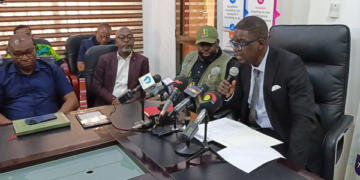
The Fund made the call during its first nationwide stakeholder engagement in the Western Region, where it brought together traditional and religious leaders, health professionals, political and community leaders, corporate institutions, civil society organisations, the media and youth groups.
The engagement forms part of the GMTF’s efforts to raise awareness about its mandate and build partnerships to improve access to specialised healthcare across the country.
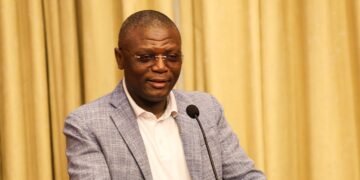
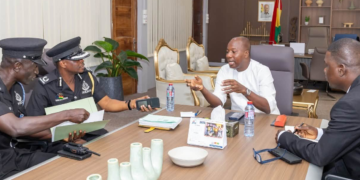
Western Regional Minister, Joseph Nelson, welcomed the initiative, describing the establishment of the GMTF as an important policy response to the financial difficulties families face when confronted with serious or chronic illnesses.
He said the diagnosis of a serious condition often placed enormous emotional, physical and financial pressure on families, particularly those struggling to meet the cost of specialised treatment, medicines and continuing care.
“Healthcare is not the responsibility of Government alone.
It is a shared national responsibility,” he said.
Mr Nelson called for collaboration among government, the private sector, traditional authorities, religious bodies, civil society organisations and development partners to ensure the Fund achieved its objectives.
He said the success of the GMTF would depend not only on the resources available to it, but also on public awareness, confidence, transparency, accountability and effective collaboration at the national, regional and community levels.
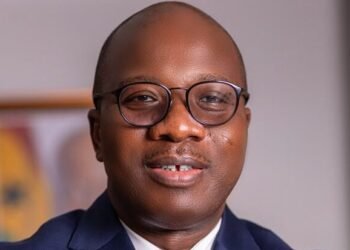
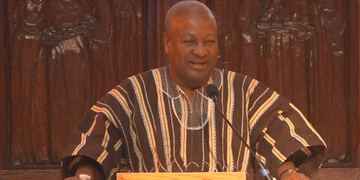
GMTF Administrator, Adjoa Obuobia Darko-Opoku, said the Fund’s mandate was driven by the difficult realities confronting families when serious illness strikes.
She noted that families were often required to finance medicines, medical procedures, transportation and lost income, with the financial pressure becoming more severe as treatment continued.
According to her, many families exhaust their savings, depend on contributions from relatives and eventually sell their possessions in an attempt to keep loved ones alive.
She stressed that no parent should have to choose between paying for a child’s treatment and keeping the child in school.
“No patient should have to abandon hope because the cost of care has become unbearable,” she said.
Ms Darko-Opoku said the situation underscored the urgency of the GMTF’s mandate to strengthen access to specialised healthcare and reduce the financial hardship associated with serious illnesses.
The Administrator said the Fund’s interventions were centred on four key areas: financial support for eligible patients requiring specialised treatment for chronic Non-Communicable Diseases; investment in medical equipment and health infrastructure; support for specialist training; and research and innovation.
She explained that the four pillars were intended to address both the immediate needs of patients and the long-term capacity of Ghana’s healthcare system.
She said needs-assessment exercises conducted by the Fund had identified gaps in health facilities and would help guide investments towards areas where they could have the greatest impact.
Ms Darko-Opoku identified the Effia Nkwanta Regional Hospital and other health facilities in the Western Region as important partners in efforts to improve access to quality healthcare closer to communities.
She said bringing appropriate care closer to patients would reduce travel time, ease the burden on caregivers and allow families to devote more of their resources to treatment.
“Distance should not deepen the suffering of a patient,” she stressed, adding that healthcare planning must be guided by the principle that every Ghanaian life matters.
Ms Darko-Opoku also appealed to businesses and corporate institutions in the Western Region to partner the Fund in improving specialised healthcare.
She said corporate support could be channelled into patient treatment, medical equipment, infrastructure development, specialist training, research and other areas of identified need.
She noted that a well-targeted contribution could have an impact far beyond its monetary value by helping patients continue treatment, supporting families and strengthening health facilities serving communities.
She, however, emphasised that partnerships must be based on clearly identified needs, measurable outcomes and sustainable benefits.
The Administrator also assured stakeholders that accountability would remain central to the Fund’s operations, stressing that every resource entrusted to the GMTF would be used responsibly, fairly and for its intended purpose.
Ms Darko-Opoku said the ultimate measure of the Fund’s success would be the difference its interventions make in the lives of patients and their families.
Behind a request for equipment are patients whose treatment depends on it. Behind every decision about resources are families hoping that help will come in time,” she said.
“Our success must be measured in treatment made possible, hardship eased and lives given a better chance.”
Mr Nelson pledged the Western Region’s support for initiatives aimed at improving the health and wellbeing of residents, while stressing that the region’s specific healthcare needs must remain part of the national conversation.
He commended the GMTF for selecting the Western Region as the first stop in its planned engagement across all 16 regions, saying the exercise provided an opportunity for the region to help shape subsequent engagements.
The engagement has opened a broader national discussion on how Ghana can prevent serious illness from pushing families into financial hardship.
As the GMTF takes its message to other parts of the country, its central appeal remains clear: a serious diagnosis should not become a sentence to poverty, and a person’s ability to pay should not determine their chance of receiving life-saving care.