






















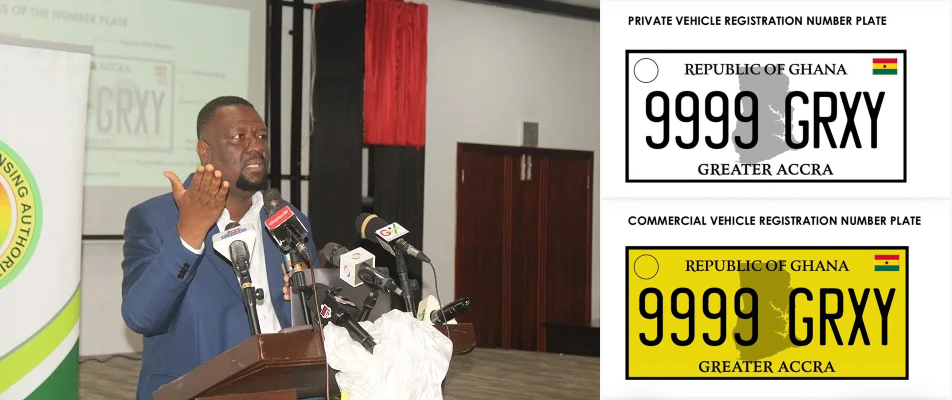
Driver and Vehicle Licensing Authority (DVLA) Chief Executive Julius Neequaye has assured the public that Ghana’s new RFID-enabled number plate pilot is progressing.
The new number plates use Radio Frequency Identification (RFID) technology. Mr. Neequaye said the technical team remains focused on the pilot. The team is also reviewing feedback from the public and key stakeholders.
In a statement, he thanked citizens and stakeholders for their responses. “I sincerely appreciate all the feedback received from the public and our key stakeholders,” he said.
Mr. Neequaye said feedback is important when implementing major projects. “When you lead, feedback is vital intelligence, an indispensable compass that a leader must never ignore,” he said.
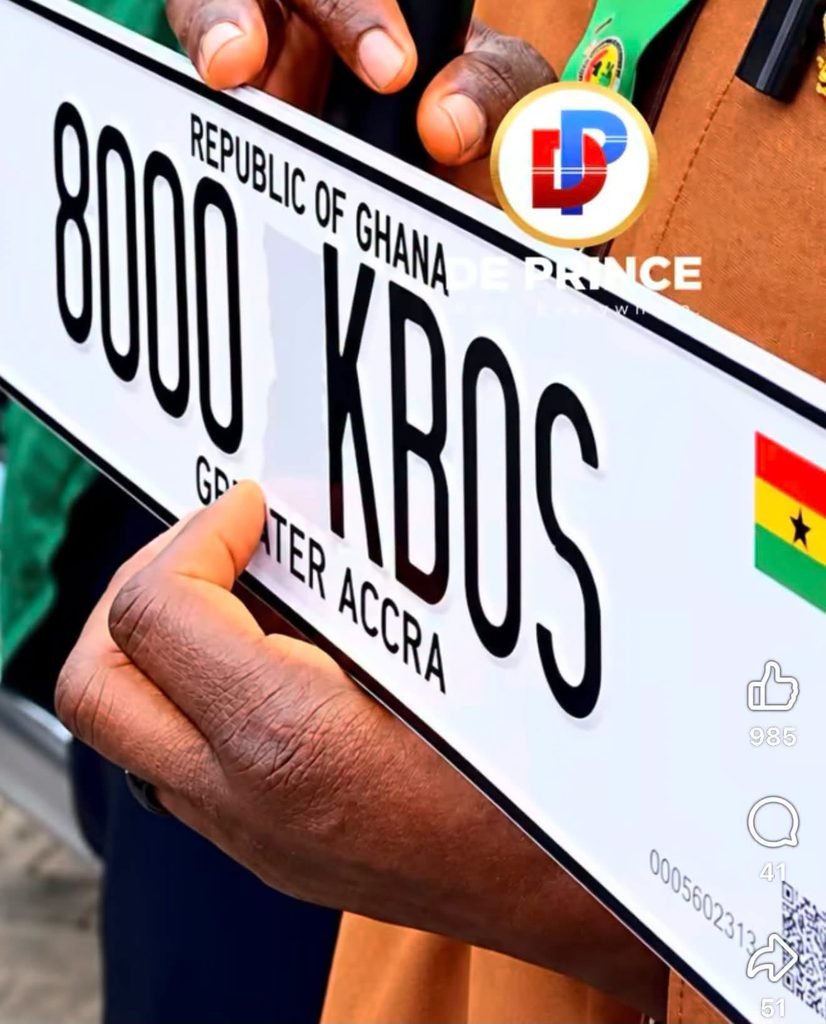
He also assured the public that work on the RFID number plates is continuing. “I want to assure every citizen that our technical team is fully on course with the piloting of the new Radio Frequency Identification (RFID) enabled number plates,” he said.
According to Mr. Neequaye, the technical team is working to keep the pilot on track. “They are working tirelessly, and we will do our absolute best for Mother Ghana,” he added.
The RFID number plate project forms part of efforts to modernise Ghana’s vehicle registration system.
The new system is designed to improve vehicle security. It is also expected to help reduce fraud and improve vehicle tracking.
Mr. Neequaye said the technology would bring major changes to vehicle registration. “This transition represents a major leap toward a modernized, highly secure, and technology-driven vehicle registration system designed to curb fraud, enhance road safety, and improve vehicle traceability,” he said.
The system will use technology to support vehicle identification and tracking. Curbing fraud is one of its key goals. Improving road safety is another. The system is also expected to make vehicle traceability easier.

Mr. Neequaye said the pilot is still being refined. He explained that feedback from the public and stakeholders will help shape the process.
“We are listening, learning, and refining every step of this pilot as we build a safer transport network for our country,” he said.
The RFID number plate pilot is therefore not being treated as a finished process. The technical team will continue to assess the system. It will also make improvements as the pilot progresses.
The wider goal is to create a safer and more secure transport system in Ghana. Mr. Neequaye thanked the public and stakeholders for their feedback and support.
“Thank you,” he said.