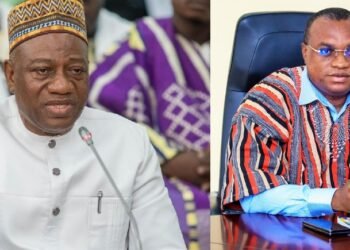

























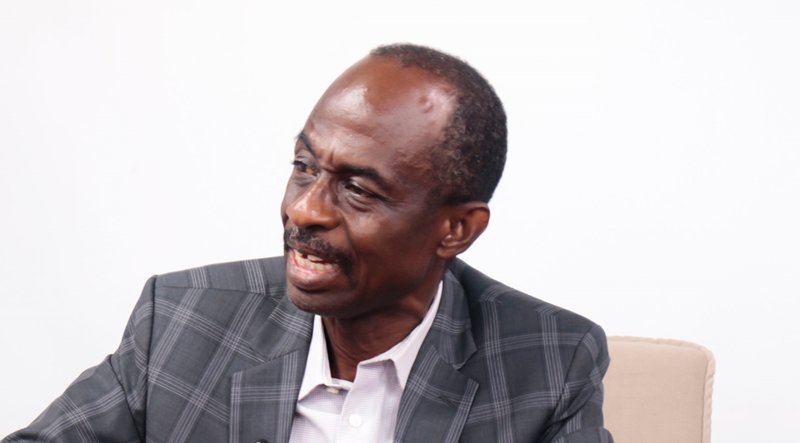
National Chairman of the National Democratic Congress (NDC), Johnson Asiedu Nketiah, has expressed concern over the financial burden political parties could face following the abolition of the delegates system for selecting presidential and parliamentary candidates.
Speaking in an interview with JoyNews on Tuesday, August 4, Mr. Asiedu Nketiah said although allowing all party members to vote in internal elections would deepen democracy, the cost of conducting such exercises could be prohibitive.
Drawing on the NDC’s experience during its 2014 internal elections, he recalled that the party adopted an expanded voting system that allowed all members to participate in electing its leaders.
According to him, the move required the establishment of more than 8,000 polling stations across the country to make voting accessible, particularly for members in rural communities and clusters of villages.
“There are certain electoral areas that are made up of clusters of villages, and in that case you will have more polling stations in the villages so that you don’t ask people to travel,” he explained.
Mr. Asiedu Nketiah said the Electoral Commission classified the exercise as a private election and required the NDC to bear the full cost of organising it.
He noted that the Commission recruited about four polling officials for each polling station, with the party paying for election officials, logistics and all election materials.
“The Electoral Commission didn’t contribute a pesewa, and so in the end, in those days, we spent close to GHS14 million in 2014,” he said.
While acknowledging the benefits of a more inclusive electoral system, the NDC Chairman argued that the state should provide financial support for such internal elections.
“My expectation is that even though the system is good, since we are being compelled to help citizens exercise their civic and democratic rights, it sits very well if you ask the state to budget for this exercise so that the Electoral Commission can conduct it free of charge,” he stated.
His comments follow the Supreme Court’s landmark 5–2 majority ruling on July 29, which declared the delegates system used by political parties to elect their presidential and parliamentary candidates unconstitutional.
The apex court directed all political parties to adopt electoral arrangements that allow every member in good standing to vote directly in the selection of presidential and parliamentary candidates, marking a significant shift in Ghana’s internal party democracy