




















The Government of Ghana has allocated GH¢292 million in the 2027 Budget for the provision of free sanitary pads to schoolgirls as part of efforts to eliminate menstruation-related barriers to education.
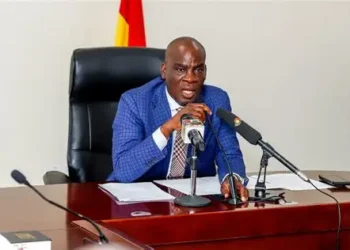
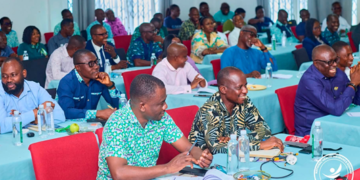
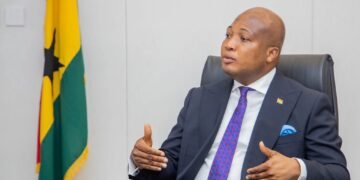
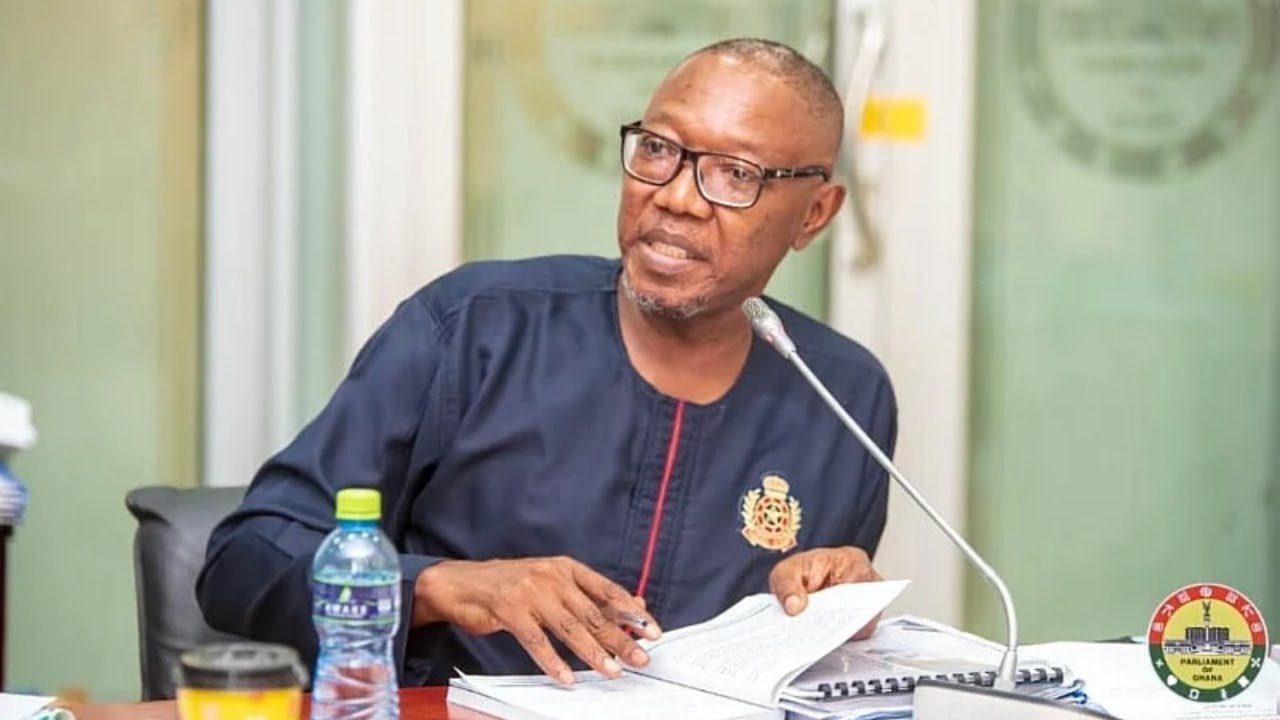
Deputy Minister for Education, Hon. Dr. Clement Abas Apaak, announced this at the launch of the National Menstrual Hygiene Taskforce at Ange Hill Hotel in East Legon, Accra, on Wednesday, November 25, 2026.
According to him, the allocation demonstrates the government’s commitment to ensuring that no girl misses school or loses educational opportunities because of a lack of menstrual hygiene products.
Apaak disclosed that the government procured more than 13 million sanitary pads in 2025 for distribution across the country, with an additional order of more than 17 million pads already placed for 2026.
“This increase reflects our determination that no girl misses school, or is denied her educational opportunities, because she lacks basic menstrual hygiene products,” he said.
He added that investing in girls’ menstrual health was essential to building Ghana’s future and promoting inclusive education.
The Deputy Minister noted that menstruation continues to affect the educational experiences of many girls due to limited access to sanitary products, inadequate water and sanitation facilities, misinformation and social stigma.
He explained that these challenges contribute to absenteeism, reduced classroom participation and, in some cases, school dropout.
“At the Ministry of Education, we see menstrual health and hygiene management not only as a health issue. It is also an education issue, a gender equality issue and a human rights issue,” Apaak stated.
He stressed that every girl deserves to attend school regularly, learn comfortably and participate fully in academic and social activities without discrimination or embarrassment associated with menstruation.
Apaak, therefore, called for sustained investment in menstrual hygiene education, clean water, safe sanitation facilities and supportive school environments.
The announcement was made alongside the launch of the National Menstrual Hygiene Taskforce, an initiative expected to strengthen collaboration among government institutions, development partners and civil society organisations.
The Taskforce will coordinate interventions, strengthen policy implementation and promote accountability in efforts to improve menstrual health and hygiene management across Ghana.
Apaak expressed appreciation to the United Nations Population Fund (UNFPA) and other partner institutions for supporting efforts to advance menstrual health and protect the dignity and educational rights of girls.
He expressed confidence that the initiative would accelerate progress towards menstrual equity, educational inclusion and gender equality.