






















Government will end its dependence on costly emergency power plants by 2030, as it rolls out new state-owned electricity generation projects and upgrades the national power infrastructure to improve energy security.
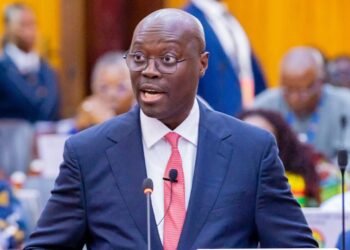
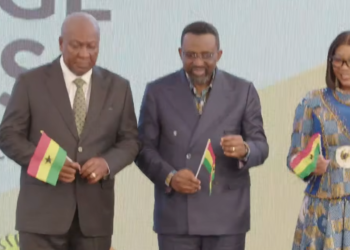
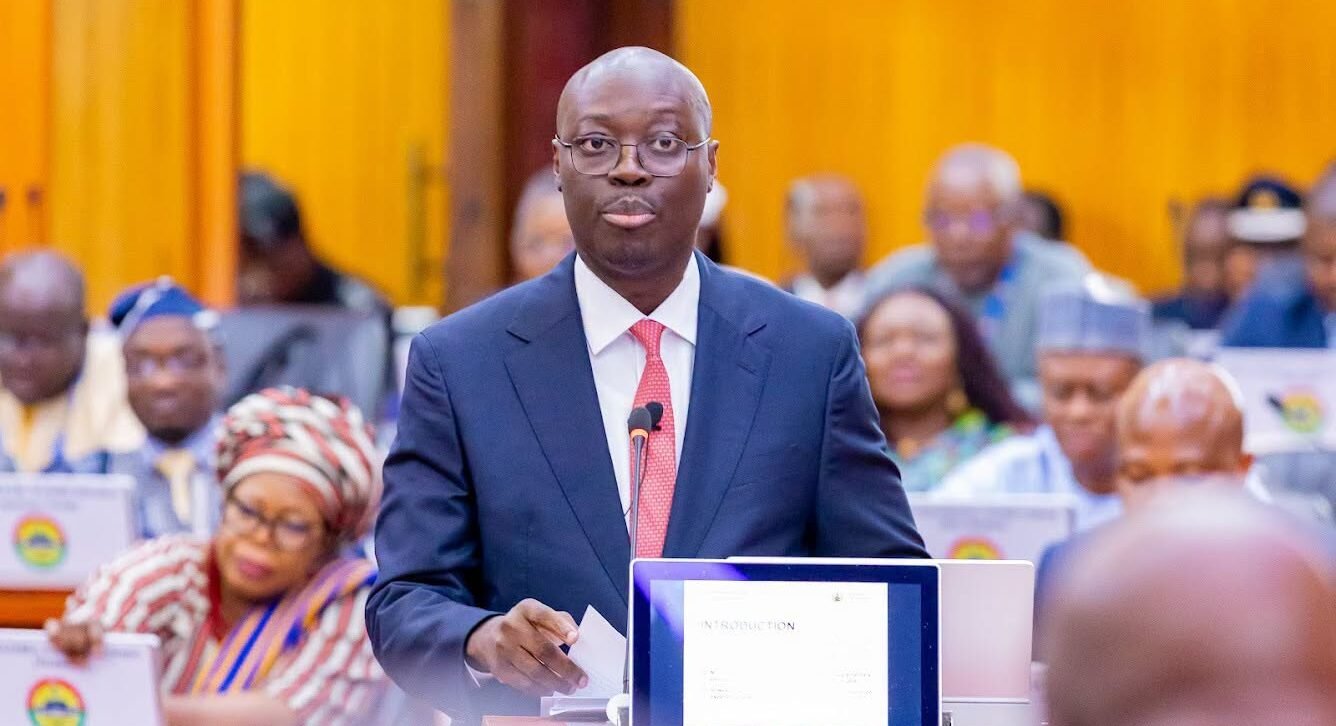
Finance Minister Dr Cassiel Ato Forson announced the target while presenting the 2027 Budget Statement to Parliament, describing it as part of a broader strategy to secure Ghana’s energy future and provide reliable electricity for households and industries.
“By 2030, Ghana will phase out emergency power plants,” he said.
He added that the planned state-owned thermal power plant, together with solar power generation and battery storage, would make the target achievable.
“Mr. Speaker, we will end our dependence on costly emergency power by 2030,” Dr. Forson stated.
As part of the plan, government will begin construction of a 1,450-megawatt thermal power plant at Kafodzidzi-Abrobeano in the Central Region in December 2026.
The facility will be fully funded and owned by the state, with the first 600 megawatts expected to be ready by December 2028 and the remaining 850 megawatts by December 2030.
The plant is expected to use about 150 million standard cubic feet of additional gas per day from the Sankofa and Jubilee fields.
Government will also construct a 600-megawatt state-owned solar power plant supported by 2,000 megawatt-hours of battery storage.
The battery system is expected to shift daytime solar generation into peak-demand periods and support grid stability.
Together, the thermal and solar facilities, supported by battery storage, are expected to supply homes and industries, including energy-intensive sectors such as bauxite and manganese processing, steel, cement and agro-industry.
Dr. Forson said the investments were necessary because industrialisation depended on access to affordable and reliable electricity.
“Mr. Speaker, industrialisation cannot advance without reliable and affordable power,” he told Parliament.
He also disclosed plans to dedicate US$500 million between 2027 and 2030 to modernise the transmission system and reduce transmission losses.
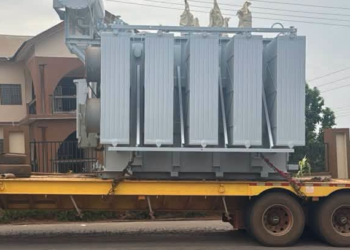
The Ghana Grid Company Limited (GRIDCo) is expected to strengthen the north-south transmission network, connect new generation facilities to demand centres and provide dedicated high-reliability connections to strategic industrial enclaves.
Government will additionally deploy two million prepaid meters to reduce distribution losses and fully implement performance-based private-sector participation in electricity distribution by the end of 2027.
The planned phase-out comes against the backdrop of significant financial pressures in Ghana’s energy sector.
According to Dr. Forson, the sector recorded an annual shortfall of about US$1.4 billion in 2025, while arrears owed to independent power producers and fuel suppliers stood at approximately US$1.7 billion.
He identified high tariffs, distribution losses, weak collections, fuel risks and accumulated obligations as persistent challenges affecting the sector.
Government is seeking to reduce the cost of power generation from about 16 US cents per kilowatt-hour to 8 US cents or less, a move the Finance Minister believes will lower production costs and improve the competitiveness of Ghanaian businesses.
The government says the combination of additional generation capacity, transmission upgrades and distribution reforms will help address the financial burden on the sector while supporting its wider industrialisation agenda.