

















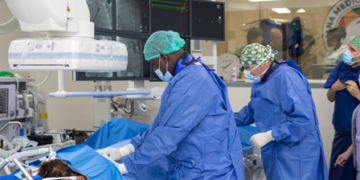









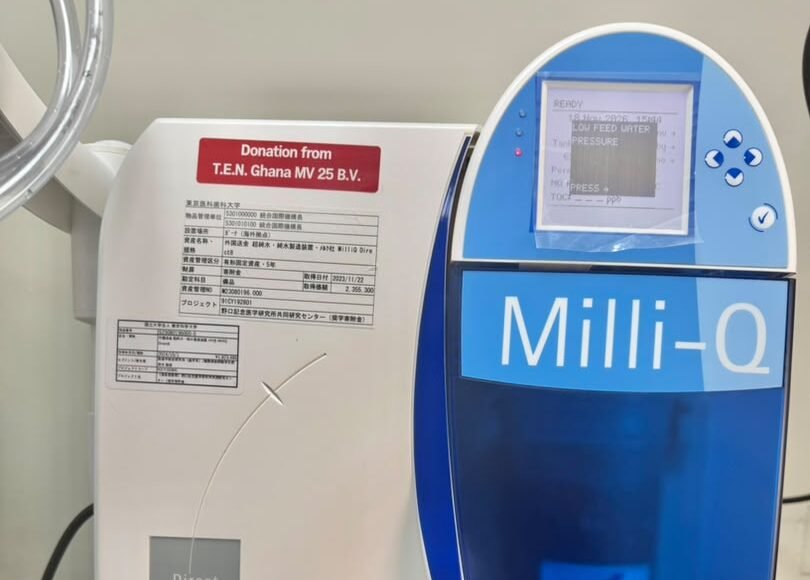
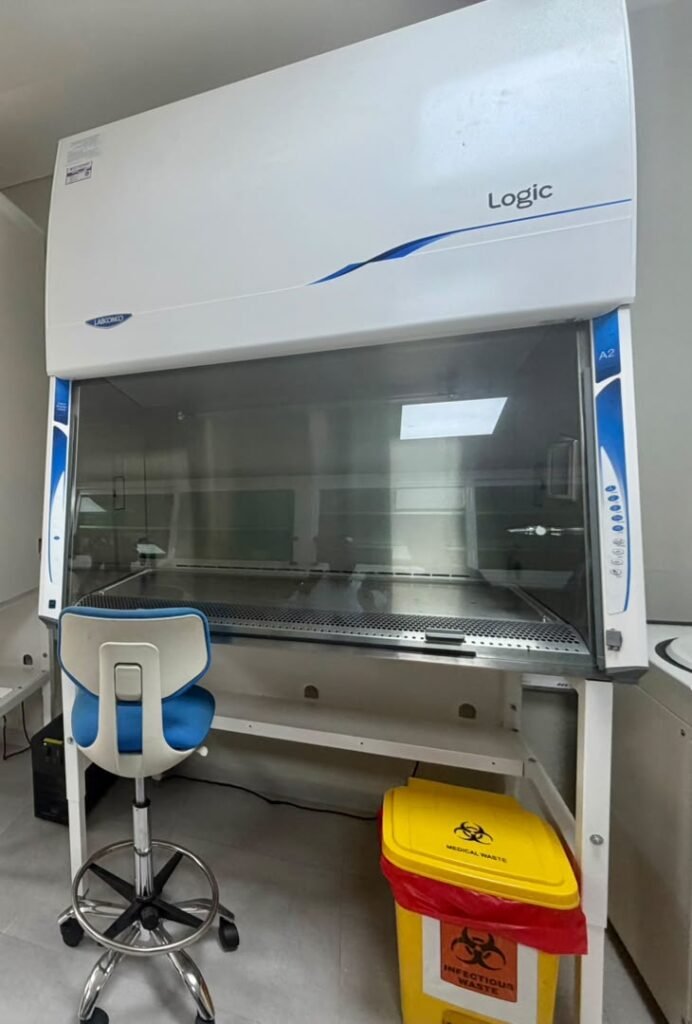
President John Dramani Mahama has commissioned mRNA and protein laboratories at the Noguchi Memorial Institute for Medical Research, describing them as national research facilities that will be accessible to vaccine scientists across Ghana.
The laboratories form part of the newly commissioned Vaccine Research Facility, which is expected to strengthen the country’s capacity for vaccine research and development.
Speaking at the commissioning ceremony on Wednesday, November 18, 2026, President Mahama said the facilities were established by the National Vaccine Institute and the Noguchi Memorial Institute to provide scientists with the infrastructure needed to advance local vaccine research.
“So this is like a training of trainers. The National Vaccine Institute and the Noguchi Memorial Institute for Medical Research have established the mRNA and protein laboratories as national resources. Ghanaian scientists working in vaccine research and development can access them wherever they are based in the country,” he said.
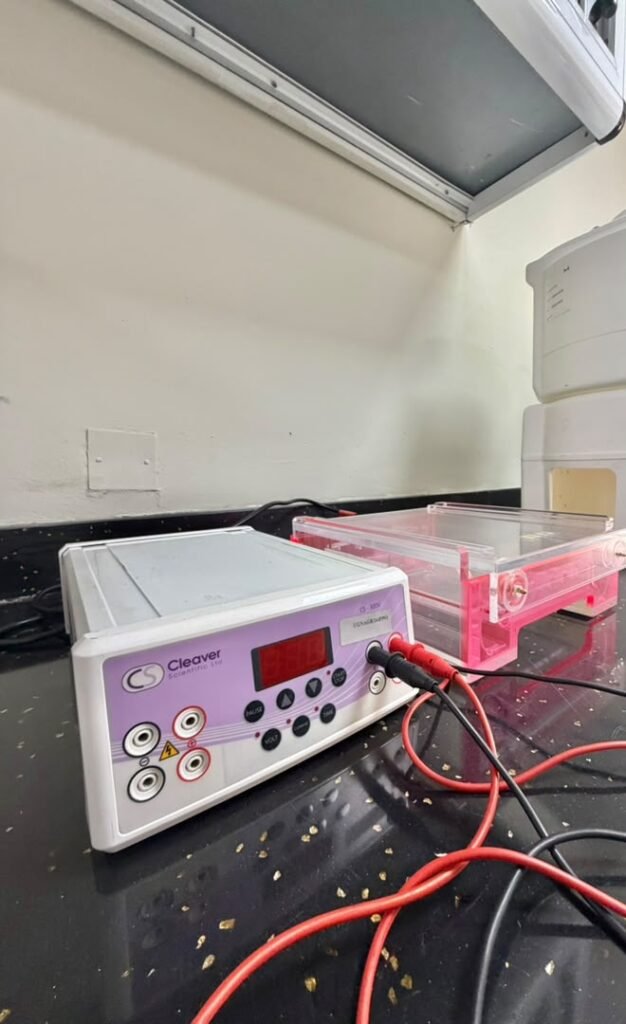
He said the laboratories would provide researchers with opportunities to conduct research, test new ideas and collaborate with other scientists.
“The mRNA and protein laboratories will provide scientists with a place to conduct research, test new ideas, and collaborate,” he added.
President Mahama said the facilities would also enable Ghanaian researchers to contribute to studies addressing global health challenges and strengthen the country’s preparedness for future disease outbreaks.
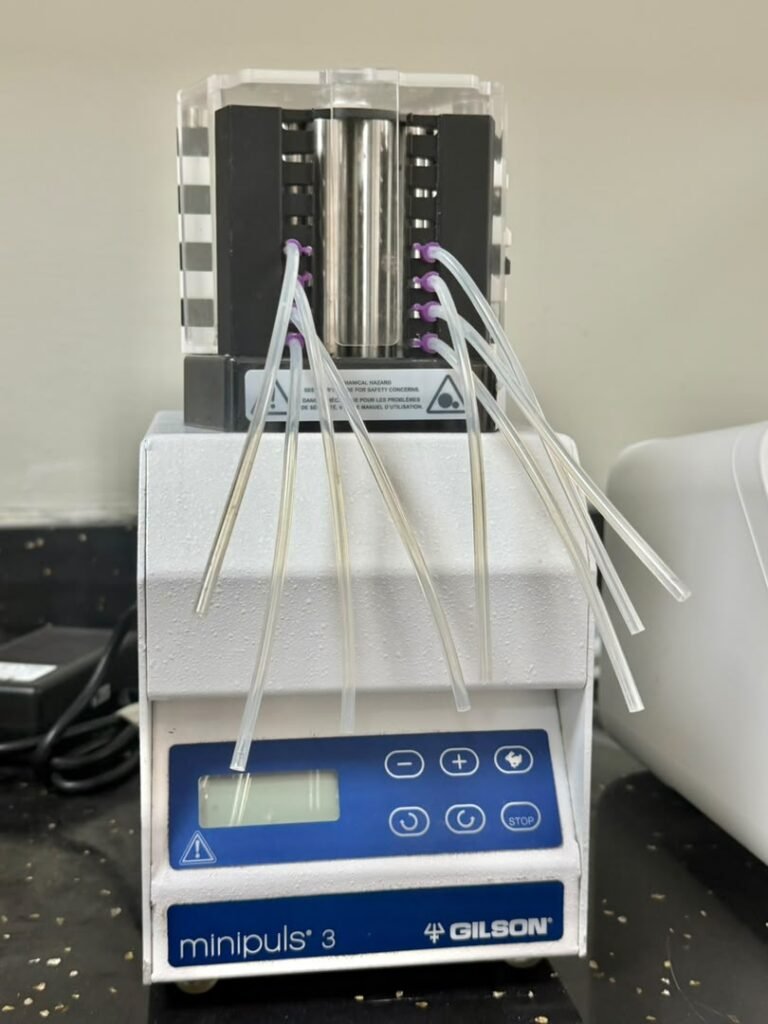
He commended the National Vaccine Institute for investing in specialist training and developing the expertise required to support the country’s vaccine research ambitions.
He also encouraged universities and research institutions to create opportunities for young scientists to find mentors and collaborate with colleagues from different parts of the country.
“I hope the young scientists and students here today will see in these laboratories a place to build a career in Ghana,” he said.
The Vaccine Research Facility was commissioned alongside the National Human Identification Laboratory, popularly known as the DNA Lab, as part of efforts to strengthen Ghana’s scientific and public health infrastructure.