
























Finance Minister Dr. Cassiel Ato Forson has unveiled a four-year economic transformation programme backed by a planned US$10 billion investment to expand Ghana’s productive capacity and create employment opportunities.
The initiative, which will run from 2027 to 2030, is expected to focus on sectors considered critical to building a more resilient economy and reducing the country’s dependence on raw commodity exports.
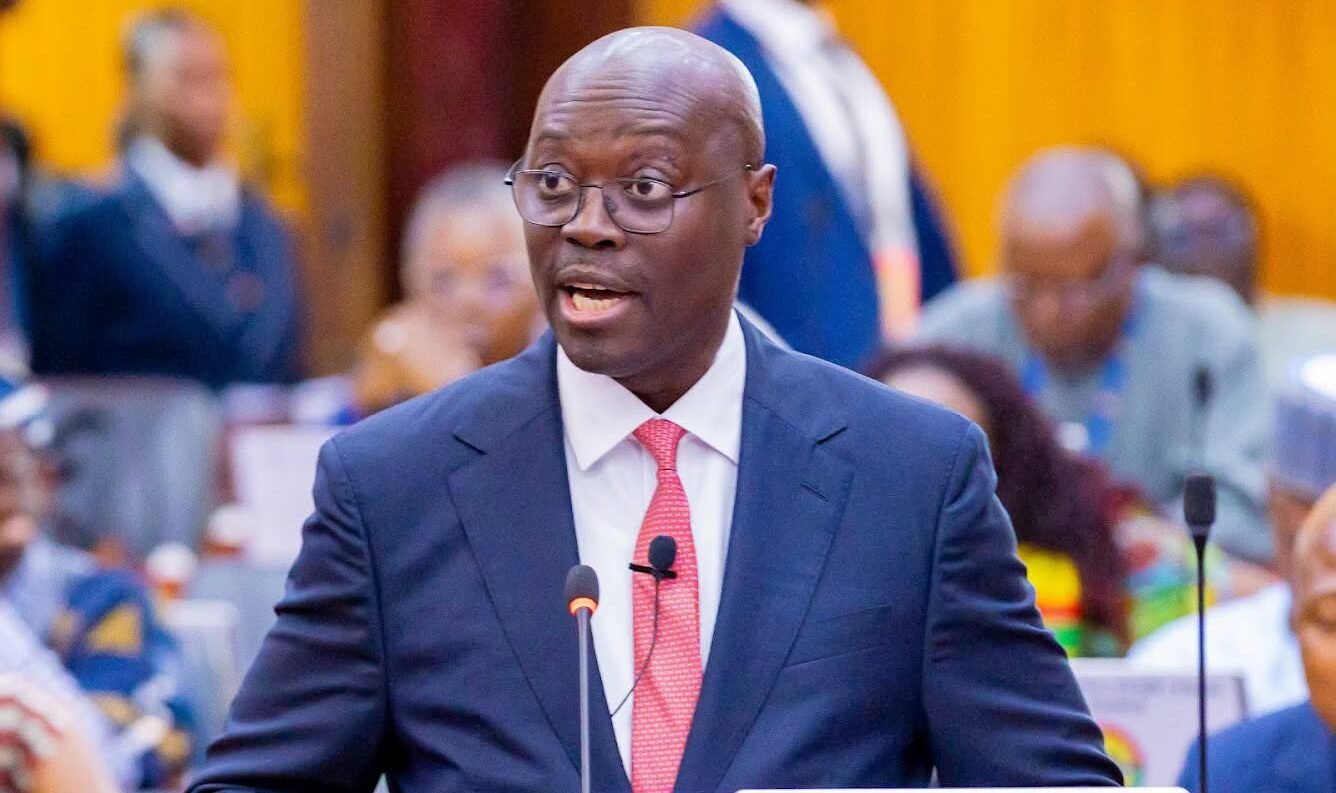
Presenting the 2027 Budget Statement to Parliament, Dr. Forson said the programme, dubbed the New Economy, New Ghana: Jobs and Prosperity, would mark a shift towards greater domestic production and value addition.
He said the country needed to move beyond an economic model that relies heavily on exporting raw materials without adequately processing them locally.
“Our 70th anniversary must mark a decisive turning point. The new economy is the government of Ghana’s four-year program, beginning in 2027, to confront this weakness and transform the structure of the Ghanaian economy,” he told Parliament.
The Finance Minister said the initiative would promote increased production, local processing of resources and the creation of decent jobs and higher incomes.
The programme will cover eight areas: macroeconomic stability and affordable finance, commercial agriculture, energy infrastructure, critical minerals value addition, tourism, culture and creative arts, textiles and garments, pharmaceuticals and biomanufacturing, and the technology economy.
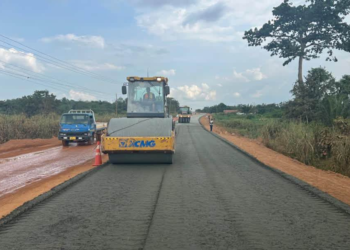
Dr. Forson said the interventions would be interconnected, with agriculture providing raw materials for industry, reliable energy supporting production and affordable financing helping businesses expand.
He also identified the need to strengthen local pharmaceutical production, develop the technology sector and turn Ghana’s cultural heritage into viable businesses and sources of foreign exchange.
The Minister said the private sector would be central to the programme’s implementation, particularly in investment, innovation and employment generation.
Government, he explained, would focus on strategic infrastructure, economic stability and creating predictable conditions for businesses.
The proposed programme comes as Ghana prepares to mark 70 years of independence in 2027, with government seeking to use the milestone to pursue a more productive and diversified economy.