











President John Dramani Mahama says the new Accra-Kumasi Expressway will significantly reduce the travelling distance between Ghana’s two major cities, with the new alignment cutting almost 70 kilometres from the existing route.
The President said the proposed 198.7-kilometre expressway will replace the longer alignment of the existing Accra-Kumasi Highway and is expected to substantially reduce travel time.
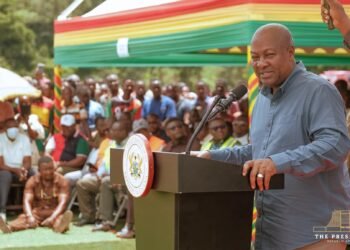
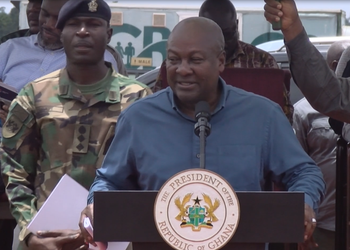
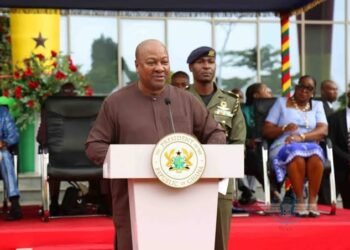
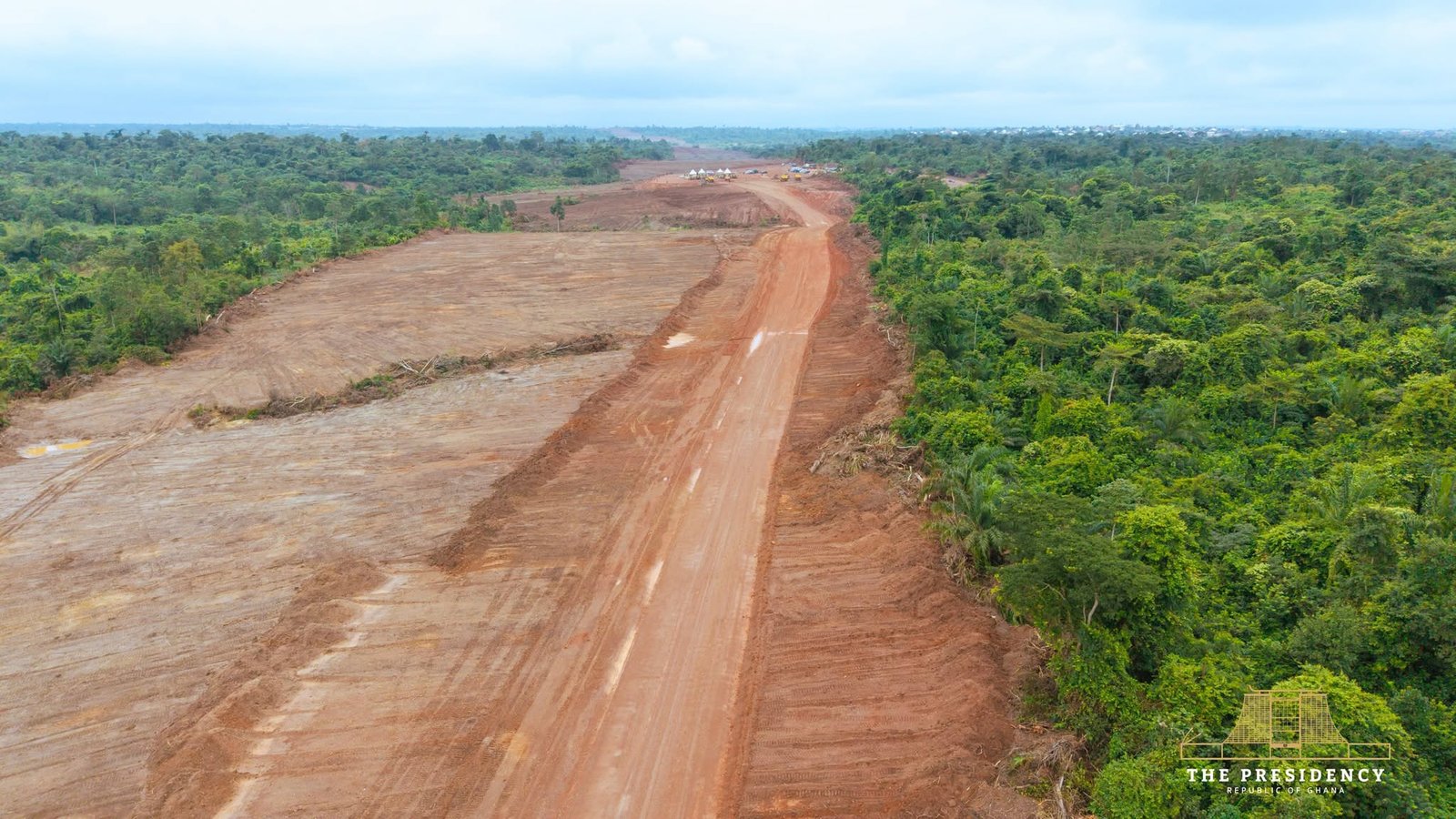
He made the remarks on Monday, September 14, during the formal handover of the cleared right-of-way for the project at Kwaso, near Ejisu in the Ashanti Region.
“The old alignment, the Accra-Kumasi Highway, is 270 kilometers from Accra to Kumasi. So it means that with 198.7 kilometers, we’ve shaved off almost 70 kilometers of the traveling distance between Accra and Kumasi.”
According to Mahama, the expressway will have a recommended speed of 120 kilometres per hour, allowing motorists to cover the shorter route much faster than on the existing highway.
He said a motorist travelling at an average speed of 100 kilometres per hour could complete the journey in about two hours.
“Even if he is traveling at 100 kilometers an hour, it means that the journey will take him two hours instead of the five to six hours that we currently use on the old Accra-Kumasi highway.”
The project is a flagship component of the government’s Big Push Infrastructure Programme and is planned as Ghana’s first modern six-lane bi-directional Class A expressway.
The 2026 Budget says the new alignment is expected to reduce travel time between Accra and Kumasi by half and lower transport costs by nearly 40 percent.
The expressway will link Greater Accra, the Eastern Region and the Ashanti Region, creating a faster transport corridor for passengers and goods and supporting economic activity along the route.
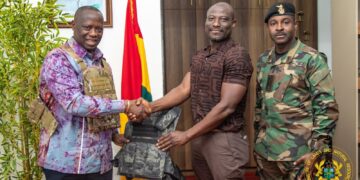
The project reached a major preparatory milestone after engineers of the Ghana Armed Forces cleared 175.6 kilometres of the right-of-way in 19 weeks, one week ahead of the 20-week schedule. The cleared corridor was formally handed over to government on Monday.
The new expressway will also include eight major interchanges, four full-service areas and two mainline toll plazas, according to details contained in the 2026 Budget.
The project is expected to move into its subsequent design, procurement and construction phases following completion of the right-of-way clearance.