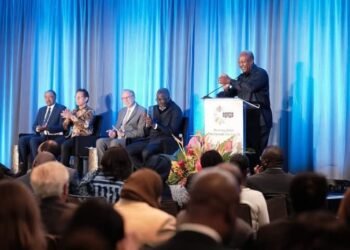








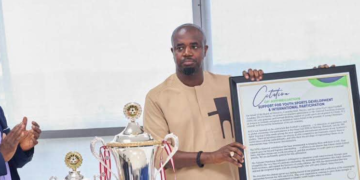















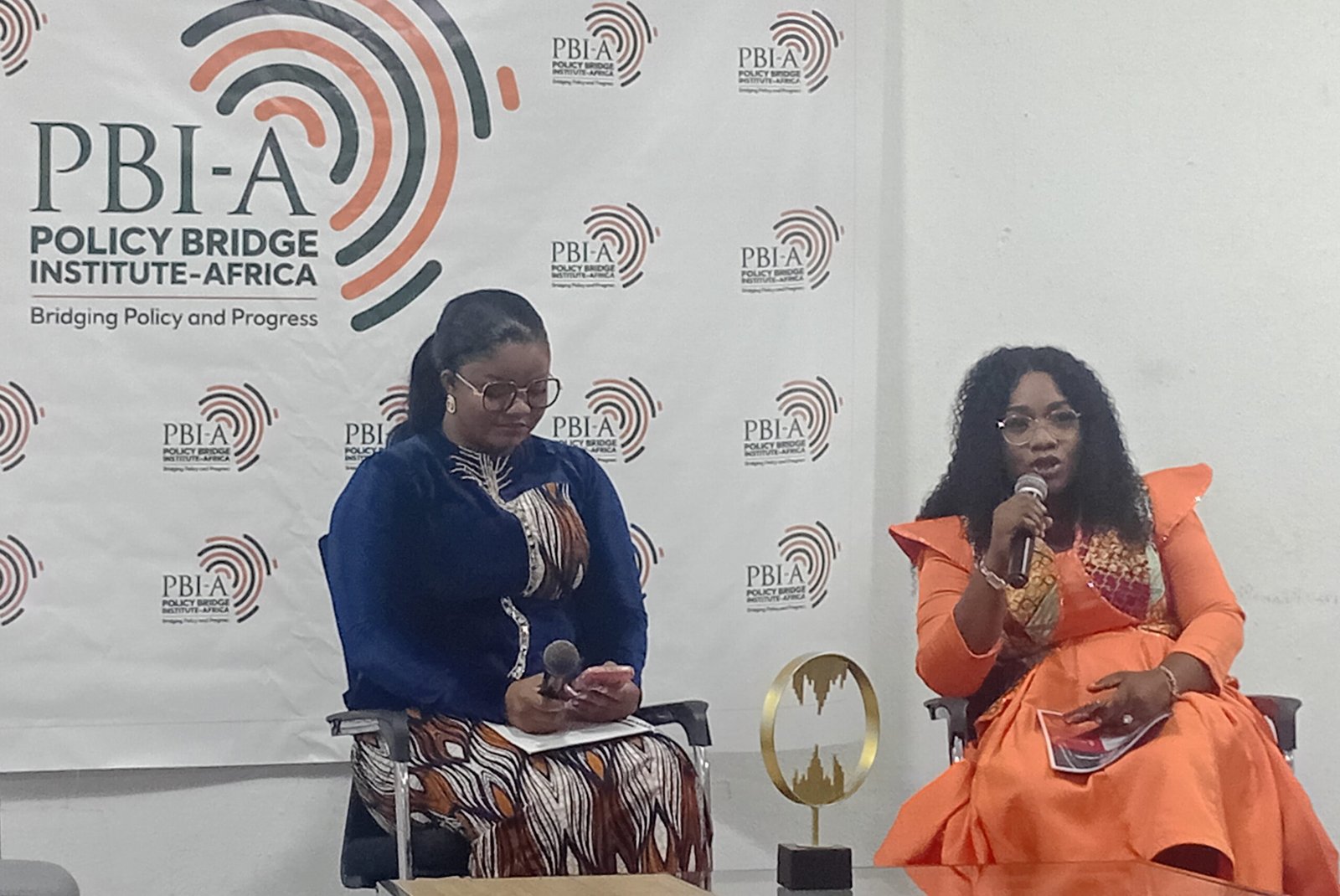
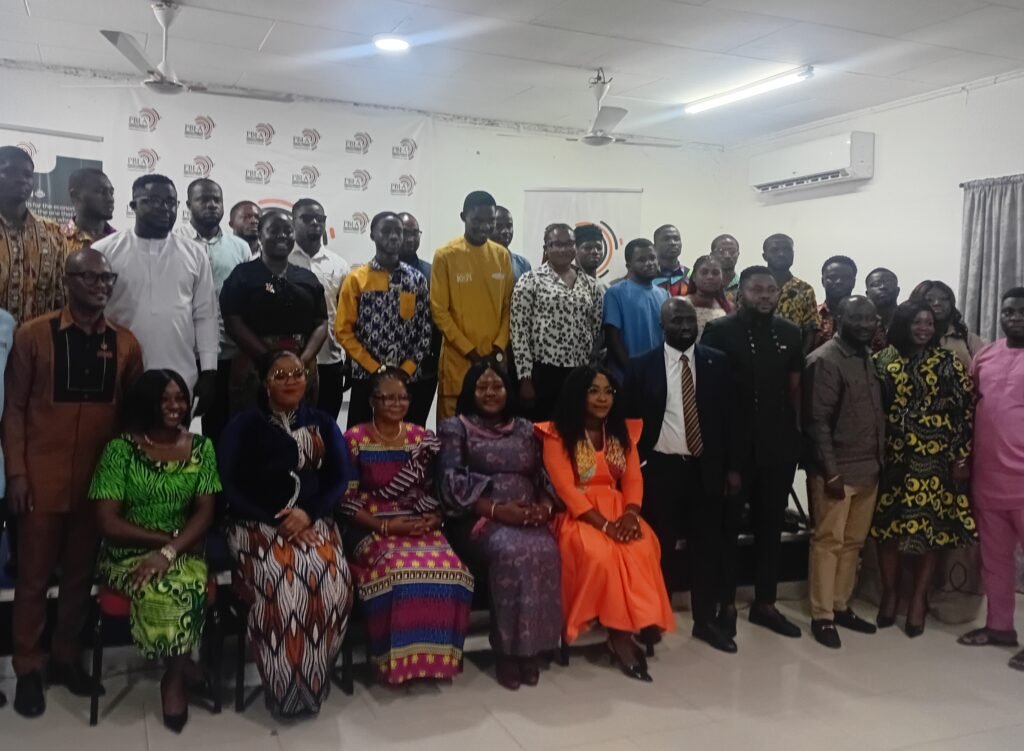
Policy Bridge Institute-Africa (PBI-A), a Pan-African policy and leadership institute focused on bridging the gap between policy and opportunities for young people, has been officially launched at the University of Ghana SRC Union Building.
The institute, co-founded by Dr. Loretta Borte Kubate and Paschaline Kyaakyille Dere, seeks to bring together government, industry, academia and civil society to develop and advocate practical, evidence-based policies that prepare Africa’s youth for a rapidly changing, technology-driven economy.
Speaking at the launch, Dr. Kubate said the institute was established to move beyond discussions about the challenges confronting young people and work directly with institutions and individuals responsible for implementing policies.
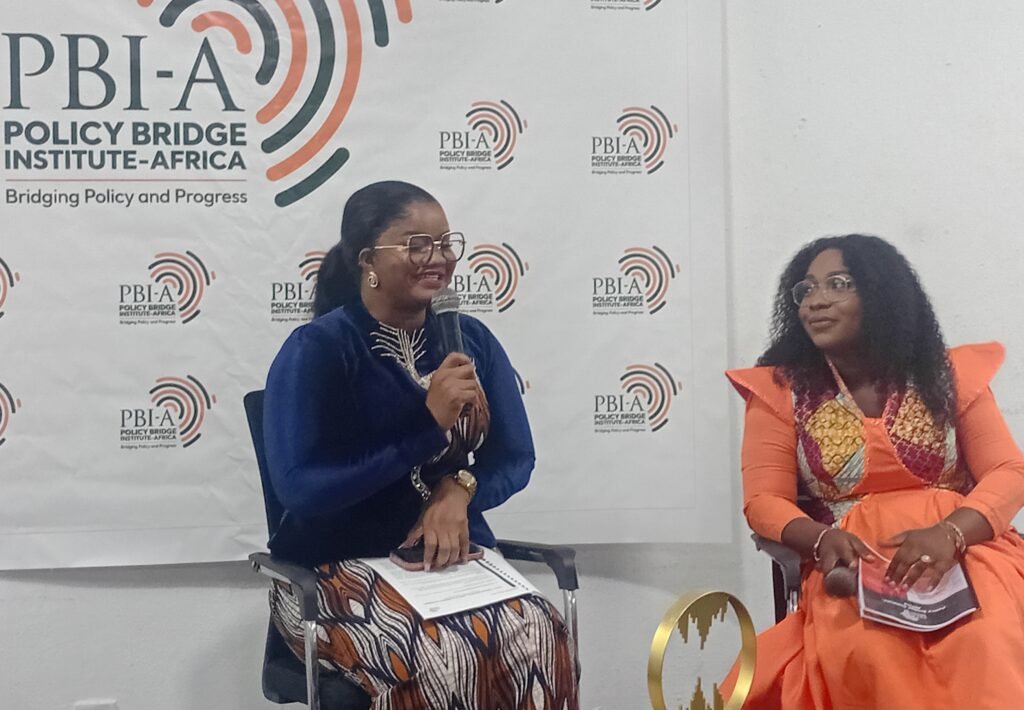
“I think that complaints are enough at this moment. Everybody has to think about the way forward and how we move forward at some point in time,” she said.
She acknowledged that influencing policy and achieving meaningful change would come with challenges, but stressed that effective partnerships, planning and implementation would be crucial to the institute’s success.
Dr. Kubate said the founders intend to leverage their expertise and networks to create opportunities and contribute to addressing challenges confronting young people.
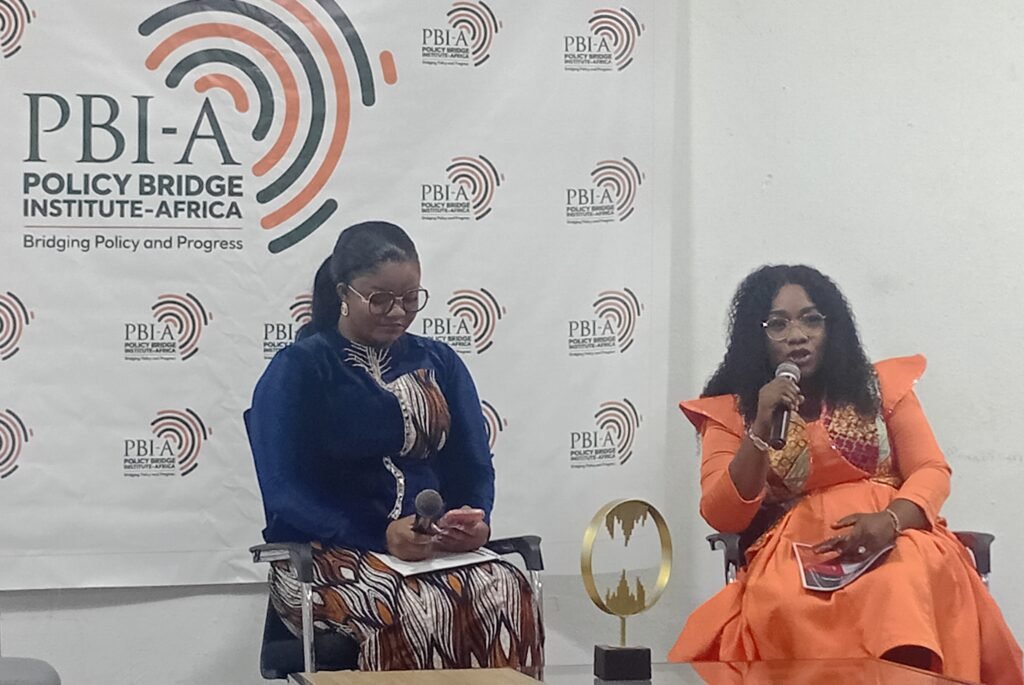
“Why don’t we bridge this gap? Use the expertise we have. Use the network that we have,” she said, adding that the institute would use its connections to “help do something better for the youth of this country.”
Co-founder Paschaline Kyaakyille Dere said PBI-A’s work will be anchored on three core areas — Technology and Innovation, Jobs and Economic Opportunity, and Education and Skills Development.
According to her, the three pillars are interconnected and require a coordinated policy approach to ensure young Africans are adequately prepared for changes in the global economy.
“We are building synergy within all our core pillars, and that is what we stand for,” she said.
Among the initiatives to be rolled out by the institute is the Youth Growth Dialogue Series, an annual platform intended to provide young people with a safe space to openly discuss policies and issues affecting them.
“There is going to be no sugar coating, but we’ll give the young people the room for them to express themselves,” Ms. Dere said.
The institute also intends to undertake monitoring and evaluation of major youth-focused government interventions and offer recommendations to relevant state institutions on how such programmes can be improved.
Ms. Dere cited the National Apprenticeship Programme as one area where PBI-A could provide independent assessment of whether public investments are delivering their intended outcomes and recommend changes where necessary.
Another key initiative is the IMPACT Accountability Report, which will assess the implementation and impact of major public policies and programmes and provide citizens with information on their progress.
“What do we mean by the Impact Accountability Report? It stands for we are trying as much as possible to evaluate and assess the impact of the policies,” Ms. Dere explained.

PBI-A will also pursue initiatives including the Future Skills Observatory, the AI and Digital Governance Lab and ASPIRE 4 IMPACT, an industry-academia programme aimed at strengthening collaboration between educational institutions and employers and aligning skills development with labour market needs.
The institute says it will operate as an independent and non-partisan organisation, working with stakeholders across the political divide and measuring its success through policy uptake and tangible outcomes for young people.